

One Barn, One Decision, and What Japan’s Akiya Market Actually Looks Like
I have spent 20 years in Niigata. I know what old buildings look like before someone decides to save them. I also know what they look like after. The difference is not money. It is conviction.
I was born on Sado Island. My family has roots in the island’s hospitality industry. I now work from Niigata — close enough to know its winters, its soil, and what happens to a building when nobody lives in it for a decade.
My cousin lives on Sado. She has run a bakery there for ten years. It is called おかめパン — Okame Pan — in Niibo, under an old pine tree. She bakes with Hokkaido wheat and whatever Sado grows in season. Her original creation uses dried Sado persimmon. She introduced me to her neighbor, a woman named Kumiko Ohmura, who runs a guesthouse called Asahi Sado, five minutes away on foot.
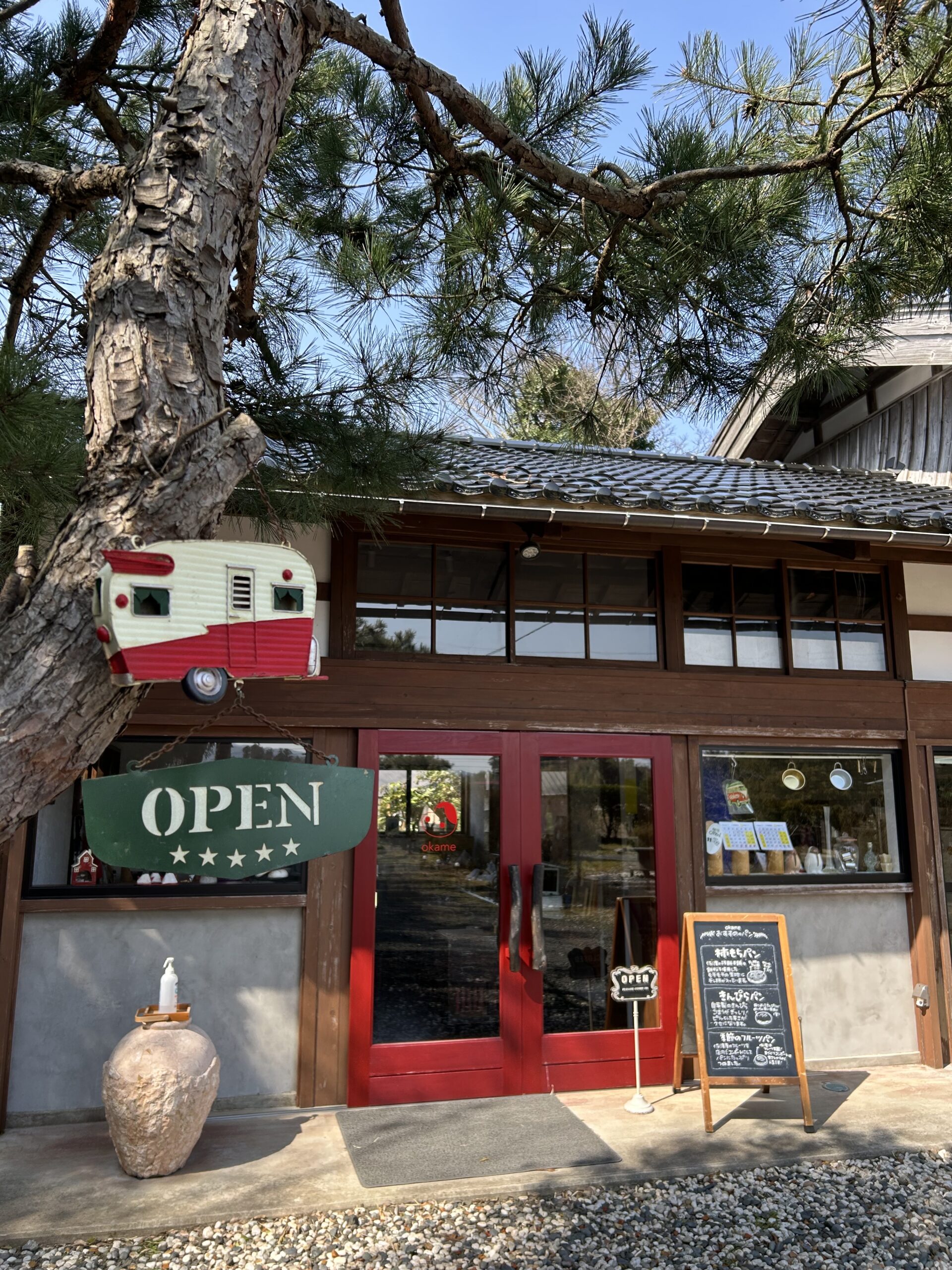
That introduction changed how I think about Sado’s real estate market. Not because of the numbers — those come later in this article. But because of what Kumiko did with a building that everyone else had written off.
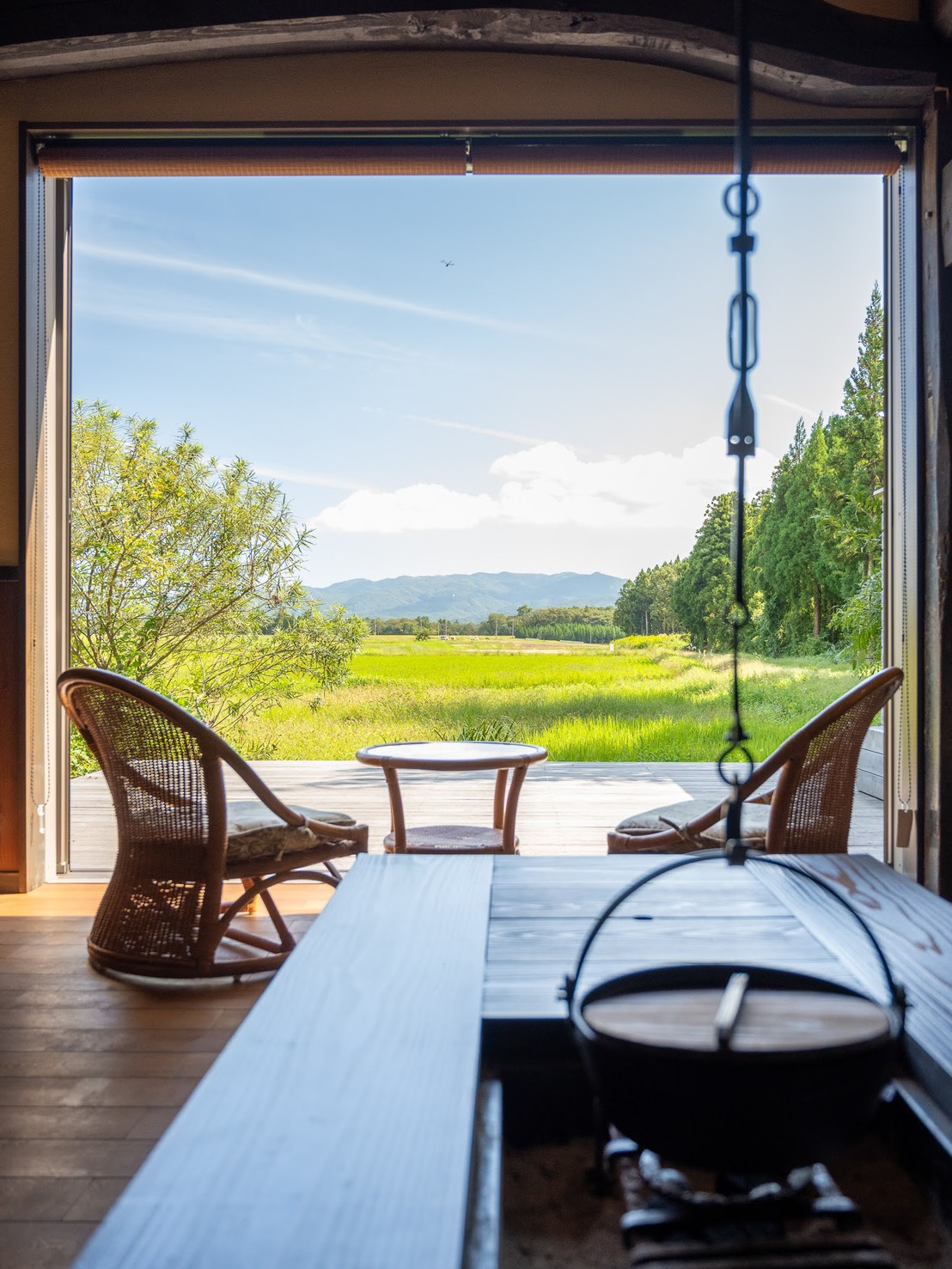
The building nobody wanted
The property is Kumiko’s family home. The barn had sat on the land for generations. Sitting directly on soil. No foundation, no insulation, no plumbing worth mentioning. In rural Niigata and on Sado Island, empty buildings deteriorate fast. The soil holds moisture year-round. Moisture brings termites. Termites work silently inside structural beams — you cannot see the damage until you open a wall and find nothing left. Add the salt air that moves in from the Sea of Japan, even this far inland, and you understand why most buildings in this condition are simply demolished. It is cheaper. It is faster. Nobody argues with you.
After her father passed away, the barn sat unused for a year. Most people would have demolished it. Kumiko looked at the heavy timber pillars. She looked at the roof beams — massive, smoke-darkened, shaped by a century of agricultural life. She decided those were worth saving. Everything else she rebuilt from the frame up. New insulation. New plumbing. New electrical. New floors and walls. But the bones of the building — the pillars and beams that carry its history — those she left exactly as she found them.
This is the decision that separates a preserved kominka from a renovation project. Most renovations replace what is old. A real preservation asks: what here is irreplaceable? Then it builds everything else around the answer.
The irori
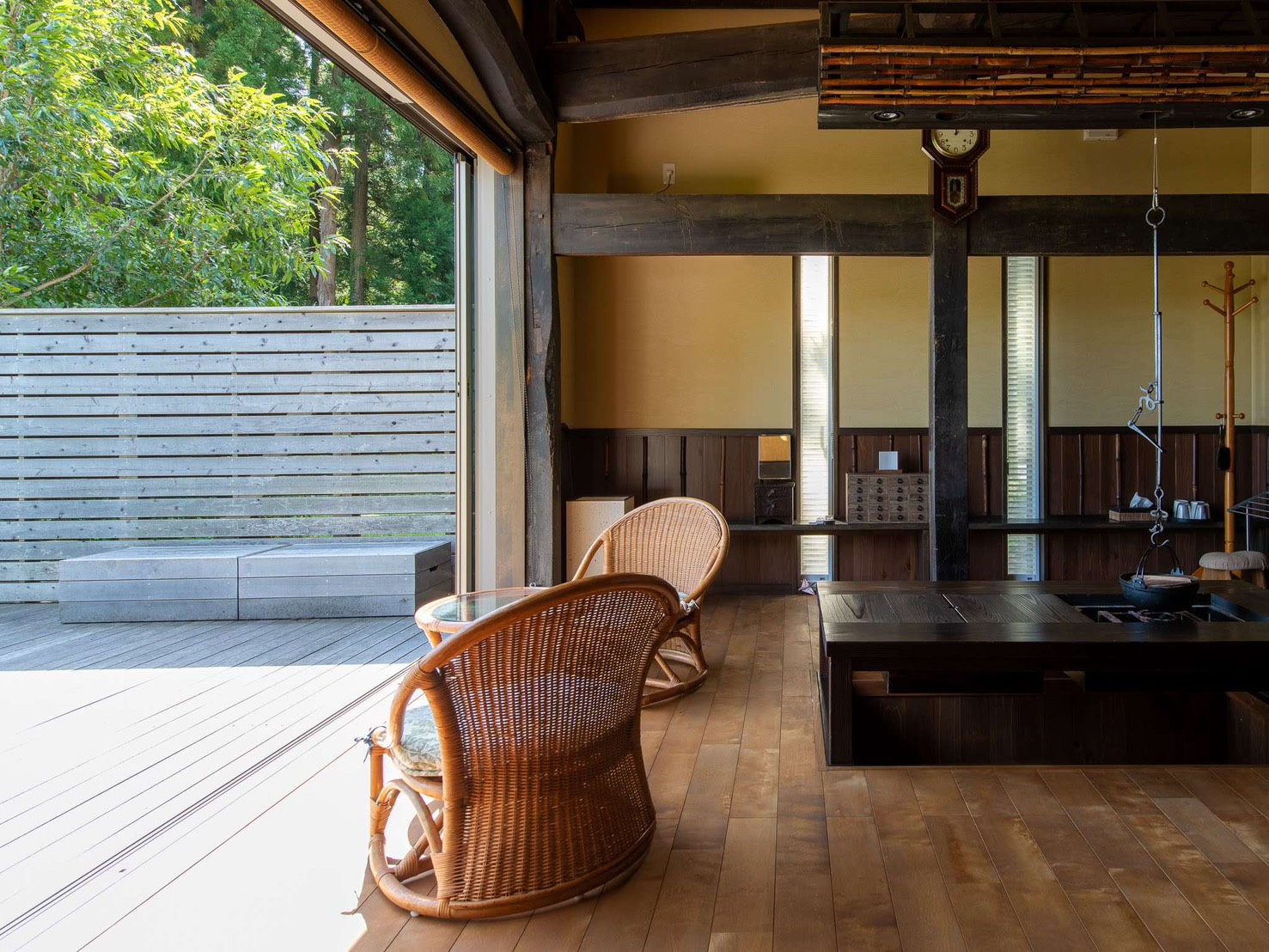
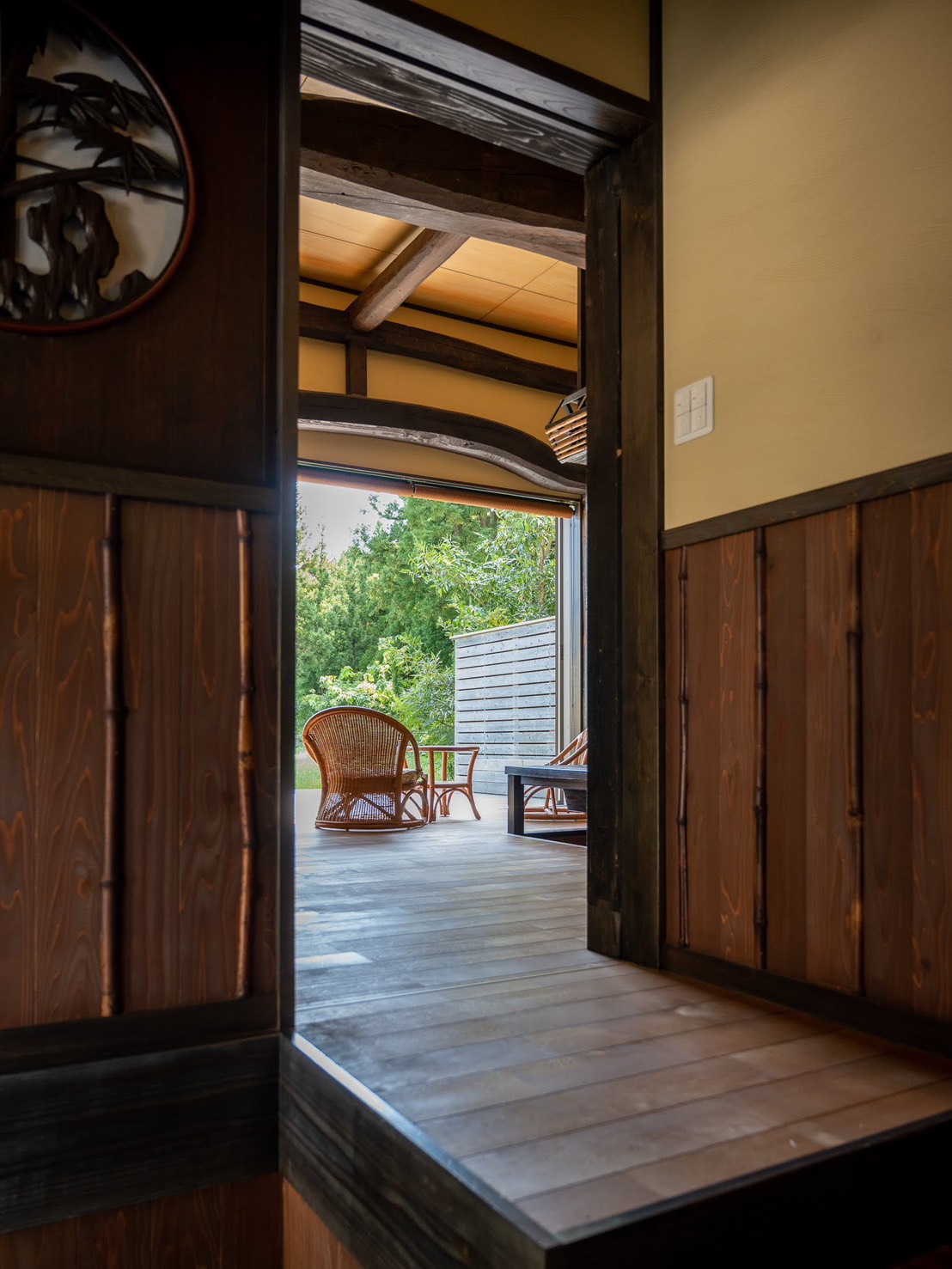
The center of the main room is an irori — a recessed hearth cut into the floor. An iron pot hangs above it on a hand-forged chain. The hooks and links are old, heavy, made by hand. The pot is cast iron.
In traditional Japanese farmhouses, the irori was the center of everything. It heated the room through the coldest months. It cooked the food. The smoke from the fire rose slowly through the building and cured the timber above — that is why old kominka beams are so dark. They have been smoked for generations. The darkness is not age alone. It is preservation by fire.
Kumiko did not move the irori. She did not encase it in glass or put a sign beside it. It still works. When you sit at the low table beside it, you are doing exactly what this building was designed for.
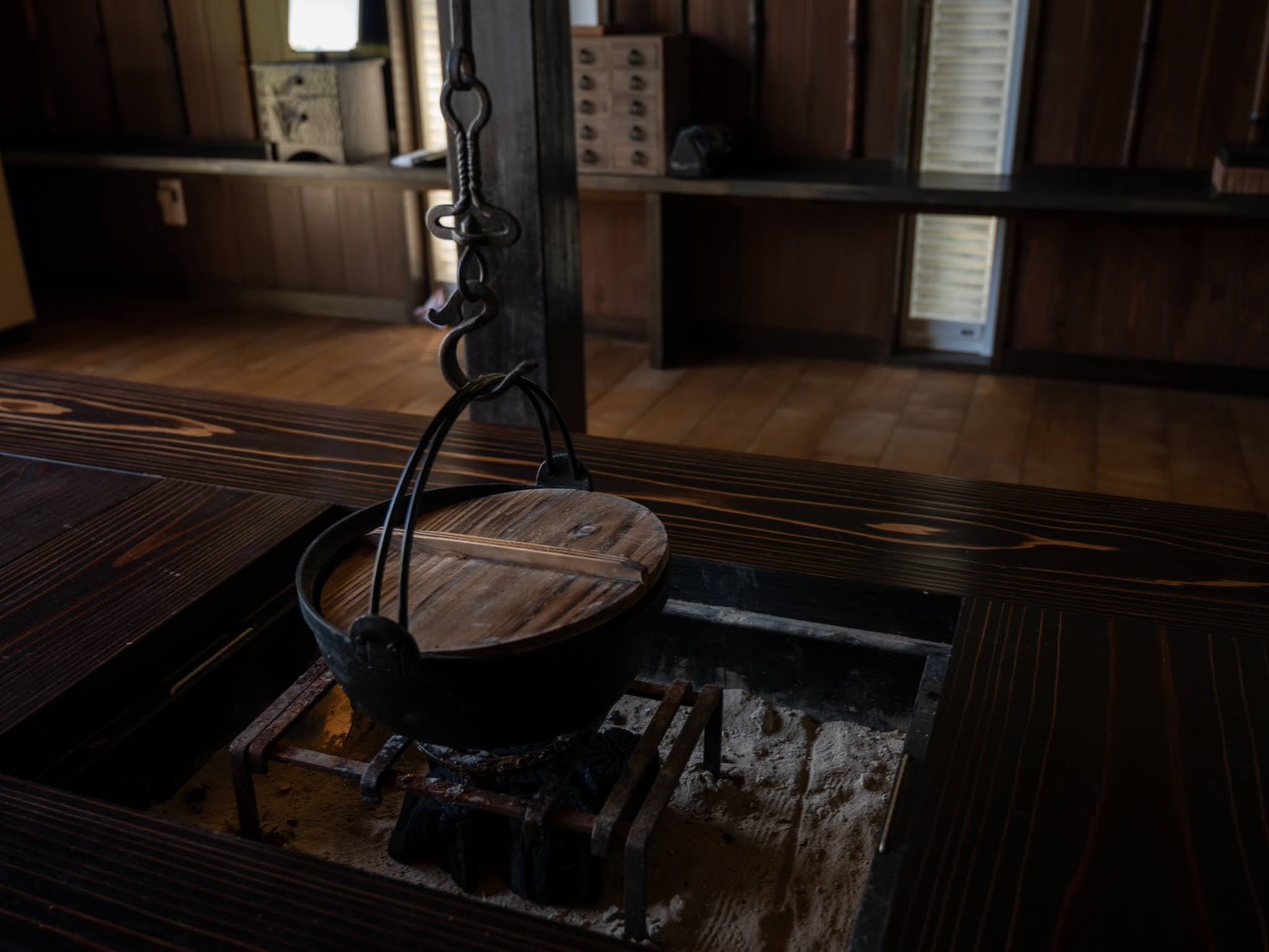
“I kept the pillars and the roof. Everything else, I rebuilt.”
— Kumiko Ohmura, owner, Asahi Sado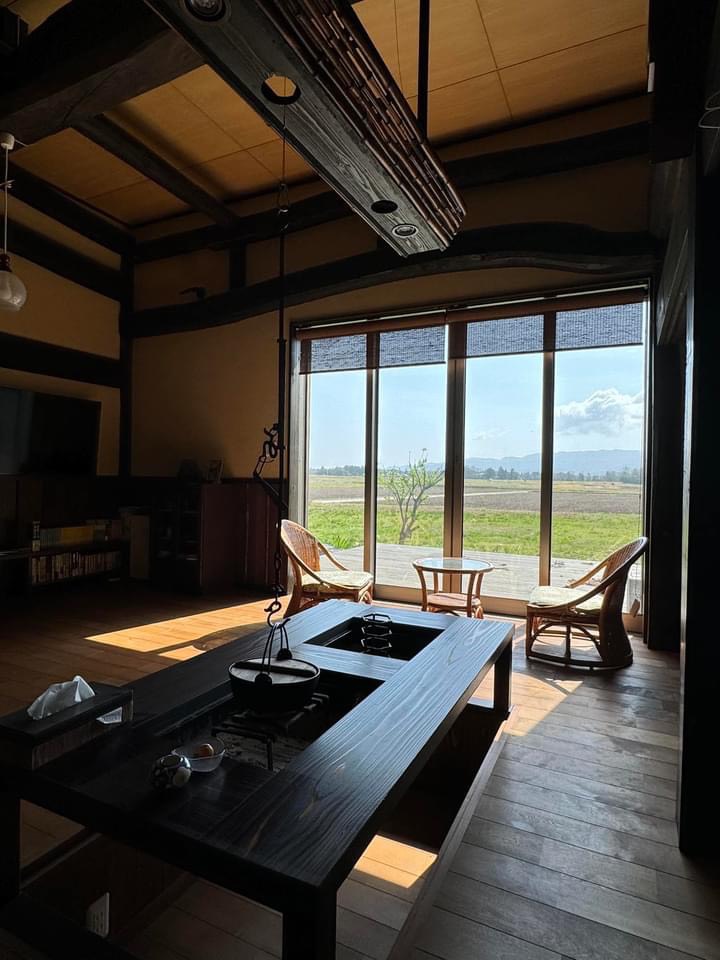
The best way to understand genuine kominka preservation is to sleep inside it. To sit at an irori that still works. To open the doors in the morning and see nothing between you and the mountains. I invite you to stay at Asahi Sado before making any decision about Japanese heritage real estate. It will teach you more than any article can.
The real numbers behind akiya renovation
The story above is one person’s decision on one island. What follows is market reality. These figures are drawn from 20 years of direct fieldwork in Niigata, on-the-ground knowledge of Sado Island, and conversations with local contractors, operators, and municipal offices. They are not specific to any single property. They represent what serious investors need to understand before any conversation about akiya renovation in Japan.
I present them without softening. Honest numbers are more useful than encouraging ones.
| 180-day rule | Japan’s Minpaku Shinhou (民泊新法) limits private vacation rentals to 180 days per year. Sado City allows the full 180 days — some municipalities restrict further. The operating season on Sado runs approximately April to November. Winter bookings are very limited. Plan your rental calendar around this from day one. It is not a restriction to work around. It is the framework your business model must be built inside. |
| Vacancy rate | Sado City’s vacancy rate is approximately 25%. Nearly one in four homes on the island is empty. Supply of available properties is high. Prices reflect that. Quality renovated accommodation, however, is rare — the island has very few properties that meet the standard international guests expect. That gap between supply of buildings and supply of quality experiences is where the opportunity sits. |
| Purchase price | Akiya on Sado typically sell for around ¥3,000,000 (approx. $18,900 USD). Many have damaged plumbing, no insulation, and structural issues that are invisible until walls are opened. The purchase price is always the smallest number in the story. Investors who focus on it alone consistently underestimate what comes next. |
| Renovation cost | A full kominka renovation in Niigata — done correctly, to a standard that lasts — costs approximately ¥14,000,000 or more (approx. $88,000 USD) for a property of meaningful scale. This covers structural repair, full insulation retrofit, new plumbing and electrical, and finished interiors. In snow country, add snow-load reinforcement. These are not optional. A renovation that skips them will fail within five years. |
| Structural risks | Most akiya in this region share four problems that are not visible in a listing photograph. No foundation — built directly on soil, which holds moisture. No insulation — dangerously cold in winter, expensive to retrofit. Termite damage — invisible until walls are removed. Salt corrosion — affects metal fixtures, roofing, and exterior finishes even on properties that are not coastal. A professional structural inspection before purchase is not optional. It is the minimum. |
| Subsidy program | Sado City offers renovation subsidies for akiya buyers — up to ¥500,000 (approx. $3,100 USD) in renovation support for qualifying buyers. Young households and families with children may qualify for up to ¥1,200,000 (approx. $7,500 USD). Eligibility conditions apply — see official source below for current requirements. |
peak season
peak season
winter very limited
Exchange rate used: ¥159 = $1 USD (April 2026)
A typical owner-operated guesthouse carries the following expense categories:
Important: in owner-operated properties, the owner’s own labor is typically not counted as an expense. The profit figures above reflect that reality. If you plan to hire full management, your net numbers will be different. An overseas investor operating remotely will need a local representative to manage the property on their behalf. That cost must be included in your model from the start — not discovered after purchase.
Talk to Ayako
For investors who want the full picture — acquisition, renovation, compliance, and management in Japan’s Snow & Sun markets.
Book a discovery call