Japan Construction Costs 2026: Why Legacy Asset Renovation Outperforms New Builds
Introduction
Japan construction costs 2026 reflect a structural repricing of the country’s residential development market. Over the past several years, a combination of labor reform, demographic contraction, currency-driven material inflation, and global supply chain volatility has materially altered the economics of building new property in Japan.
For international investors targeting regional resort markets such as Niigata (winter tourism and ski demand) and Okinawa (coastal luxury and lifestyle migration), understanding how Japan construction costs 2026 impact yield, timeline, and exit value is no longer optional — it is fundamental to capital preservation.
While Japan remains politically stable, legally transparent, and attractive for foreign real estate investment, the cost dynamics of development have changed. The era of inexpensive, straightforward new construction has ended. However, disciplined investors who adapt to the realities of Japan construction costs 2026 can still achieve compelling returns.
The key lies in strategic modernization of legacy assets.
Japan Construction Costs 2026: Understanding the Structural Shift
Labor Reform and the “2024 Problem”
In April 2024, Japan’s Work Style Reform legislation fully applied to the construction industry. Overtime hours were capped in alignment with broader labor policy reforms. For decades, construction schedules relied heavily on extended overtime to maintain speed and cost efficiency.
The reform has produced three immediate consequences:
- Reduced available labor hours per contractor
- Longer project timelines
- Higher effective labor cost per completed unit
Projects that once completed in 16–18 months now frequently extend to 20–30 months depending on region and contractor availability.
For income-producing assets, this timeline expansion directly affects IRR. When revenue is delayed by 18–24 months, the opportunity cost compounds.
Demographic Workforce Contraction
Japan’s construction workforce is aging. The average skilled tradesperson is now over 50 years old, and apprenticeship inflows remain limited. This has reduced national construction capacity and increased competition for experienced shokunin (craftsmen).
In regional markets like Niigata and Okinawa, contractor queues are often longer than in Tokyo due to smaller labor pools. Investors must factor this capacity constraint into development planning under Japan construction costs 2026 conditions.
Material Inflation and Currency Exposure
Japan imports a substantial portion of its:
- Timber
- Structural steel
- Insulation materials
- HVAC and mechanical systems
A weaker yen between 2022 and 2025 significantly increased import costs. Even as global material markets stabilized, yen-denominated pricing remained elevated. Developers who budgeted based on pre-2020 assumptions frequently underestimated final build costs.
Together, these structural shifts define Japan construction costs 2026 — not as a temporary spike, but as a recalibrated baseline.
2. Realistic Residential Construction Cost Benchmarks (2026)
To understand how Japan construction costs 2026 affect strategy, investors must use realistic cost assumptions.
Current mid-to-high-end residential ranges:
| Category | Cost per sqm |
|---|---|
| Standard Custom Timber | ¥300,000 – ¥450,000 |
| Reinforced Concrete (RC) | ¥450,000 – ¥650,000 |
| High-End Architectural Build | ¥600,000 – ¥800,000+ |
For a 150 sqm RC villa in a resort location:
Structure cost alone typically ranges between:
¥67,500,000 – ¥97,500,000
This excludes:
- Land acquisition
- Design fees
- Permits
- Contingency
- Financing costs
- FF&E
Compared to 2018–2019 levels, these figures represent a material increase. Investors relying on outdated per-sqm assumptions risk compressing their yield-on-cost before the first rental booking.
Data from Japan’s Ministry of Land, Infrastructure, Transport and Tourism (MLIT) also reflects rising construction input costs and workforce constraints.
Why New Construction Margins Are Compressing
Japan construction costs 2026 do not eliminate profitability — they compress margin for those who pursue traditional new-build strategies without adaptation.
Three primary “margin killers” now dominate.
1. Timeline Risk
A typical development sequence now includes:
- Design phase: 4–6 months
- Permitting: 2–4 months
- Contractor queue: 6–12 months
- Construction: 10–14 months
Total timeline: 20–30 months
In resort markets, two lost peak seasons significantly affect projected revenue. For ski properties in Niigata or luxury short-term rentals in Okinawa, the cost of delayed market entry can outweigh minor savings in build quality.
2. Expanded Contingency Requirements
Historically, 5–8% contingency was sufficient.
Under Japan construction costs 2026 conditions, 10–20% is prudent. Material quote volatility and subcontractor revisions are more common. Without sufficient contingency, investors risk mid-build capital strain.
3. Exit Valuation Risk
In some regional markets, resale benchmarks have not risen at the same pace as construction costs.
If build cost per sqm exceeds prevailing resale metrics, yield-on-cost compresses immediately. Investors must consider exit comparables alongside construction budgeting.
The Strategic Case for Legacy Assets
Legacy assets represent a structural arbitrage opportunity within the Japan construction costs 2026 landscape.
A legacy asset typically refers to:
- 25–40-year-old reinforced concrete or premium timber structures
- Structurally sound foundations
- Prime or grandfathered locations
- Dated interior layouts and finishes
These properties are frequently discounted because:
- Interiors feel outdated
- Energy efficiency standards are old
- Aesthetic appeal is low
However, their structural core — particularly “Bubble Era” RC buildings from the late 1980s and early 1990s — often exceeds modern cost-optimized builds.
By modernizing rather than rebuilding, investors reduce exposure to Japan construction costs 2026 pressures while preserving location quality.
Renovation Economics: 150 sqm Comparative Analysis
Consider a 150 sqm property in a premium resort zone.
Scenario A: New Build (2026)
| Component | Cost |
|---|---|
| Land | ¥50,000,000 |
| Construction (¥550k/sqm) | ¥82,500,000 |
| Design & Permits | ¥5,000,000 |
| Contingency (12%) | ¥9,900,000 |
| Total Investment: | ¥147,400,000 |
Timeline: ~24 months
Scenario B: Legacy Asset + Full Renovation
| Component | Cost |
|---|---|
| Land + Existing Structure | ¥42,000,000 |
| Skeleton Renovation | ¥45,000,000 |
| Design & Permits | ¥2,000,000 |
| Contingency (12%) | ¥5,400,000 |
| Total Investment: | ¥94,400,000 |
Timeline: ~8–10 months
Capital Difference
¥53,000,000 lower initial deployment
Under Japan construction costs 2026, this capital delta is strategic leverage. It can:
- Increase ROI
- Improve debt coverage ratios
- Fund high-end furnishings
- Reduce leverage exposure
- Enable portfolio diversification
The Grandfathered Location Advantage
One underappreciated consequence of Japan construction costs 2026 is regulatory constraint.
In both Niigata and Okinawa:
- Coastal setback laws have tightened
- Height restrictions have evolved
- Density allowances have changed
If an older structure legally exists in a prime location, it may be renovated but not rebuilt at the same footprint.
This creates scarcity value.
A legacy asset overlooking the ocean in Okinawa or near ski access in Niigata may possess irreplaceable positioning. Under current zoning, rebuilding might require setbacks or design compromises.
Renovation preserves location advantage while avoiding full exposure to Japan construction costs 2026.
Regional Insight: Niigata vs Okinawa
Niigata (Snow & Ski Markets)
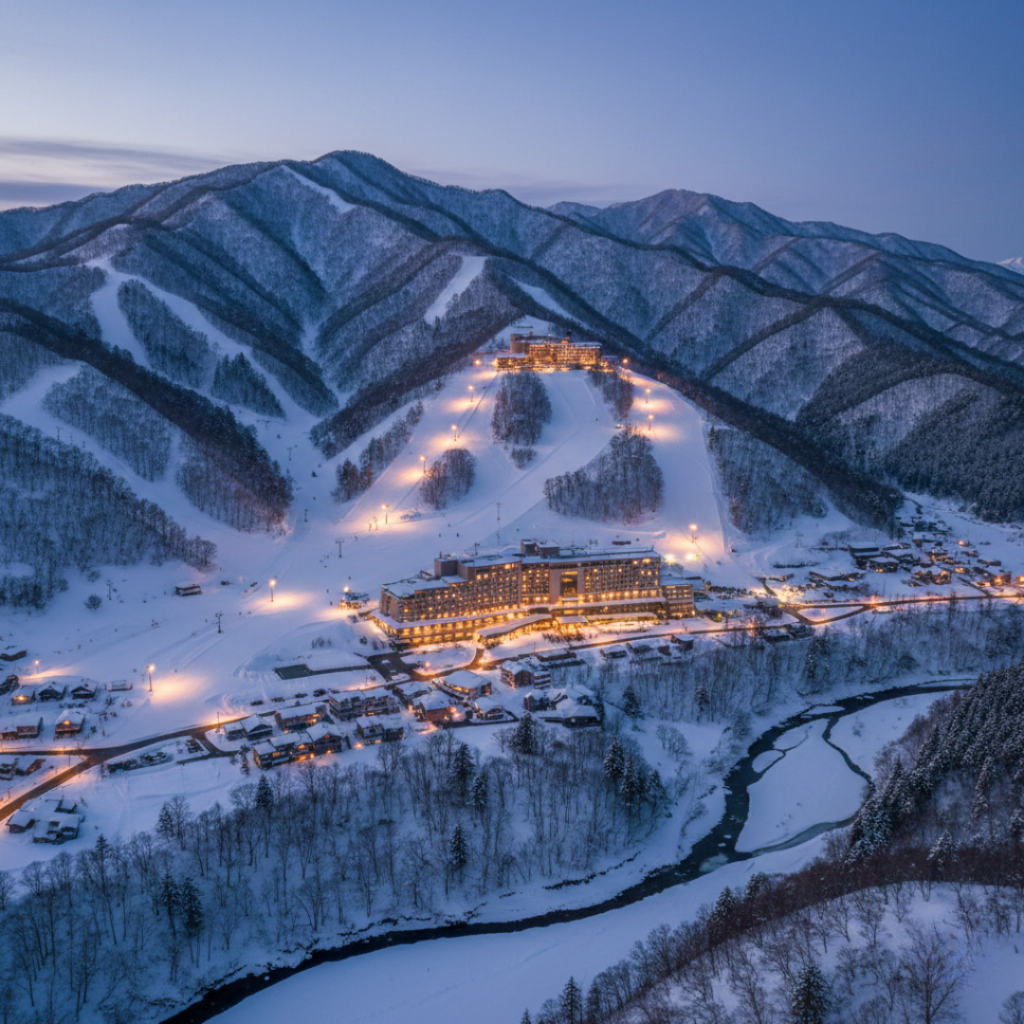
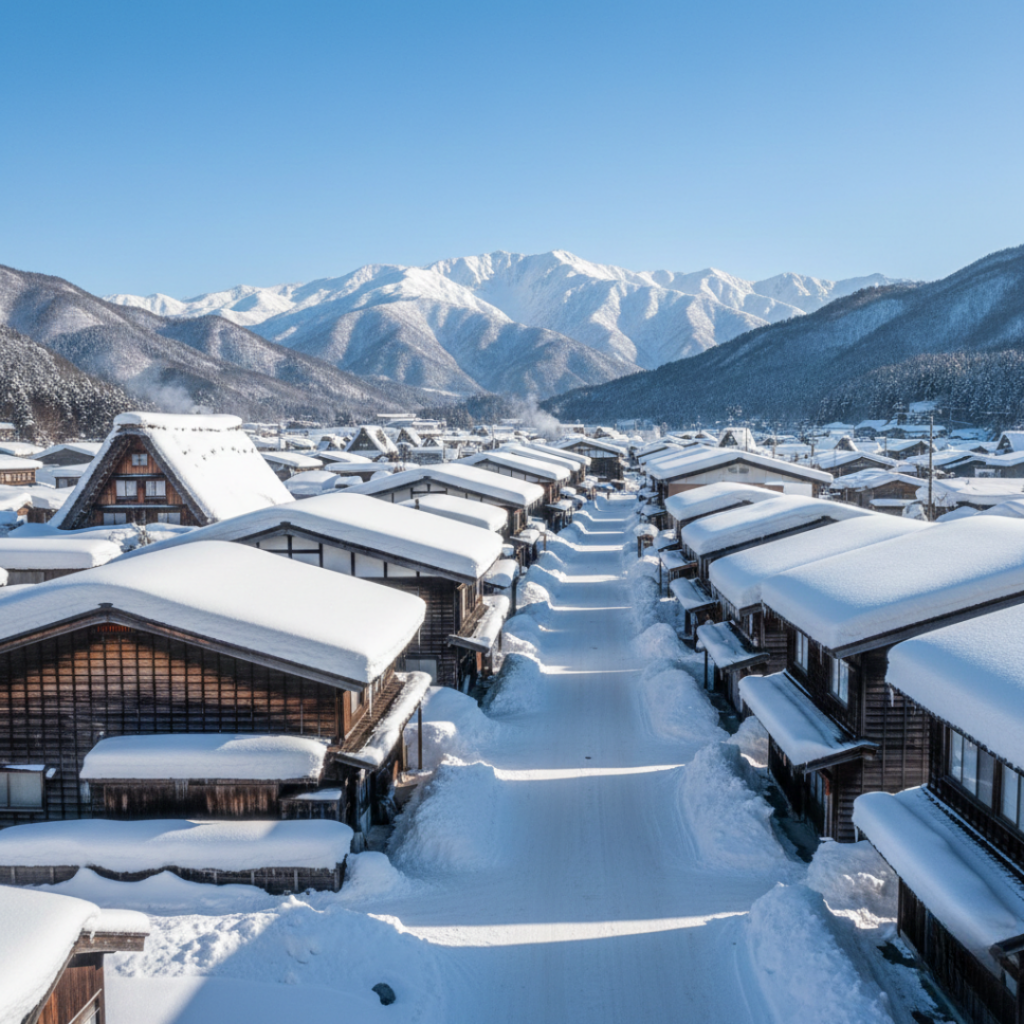
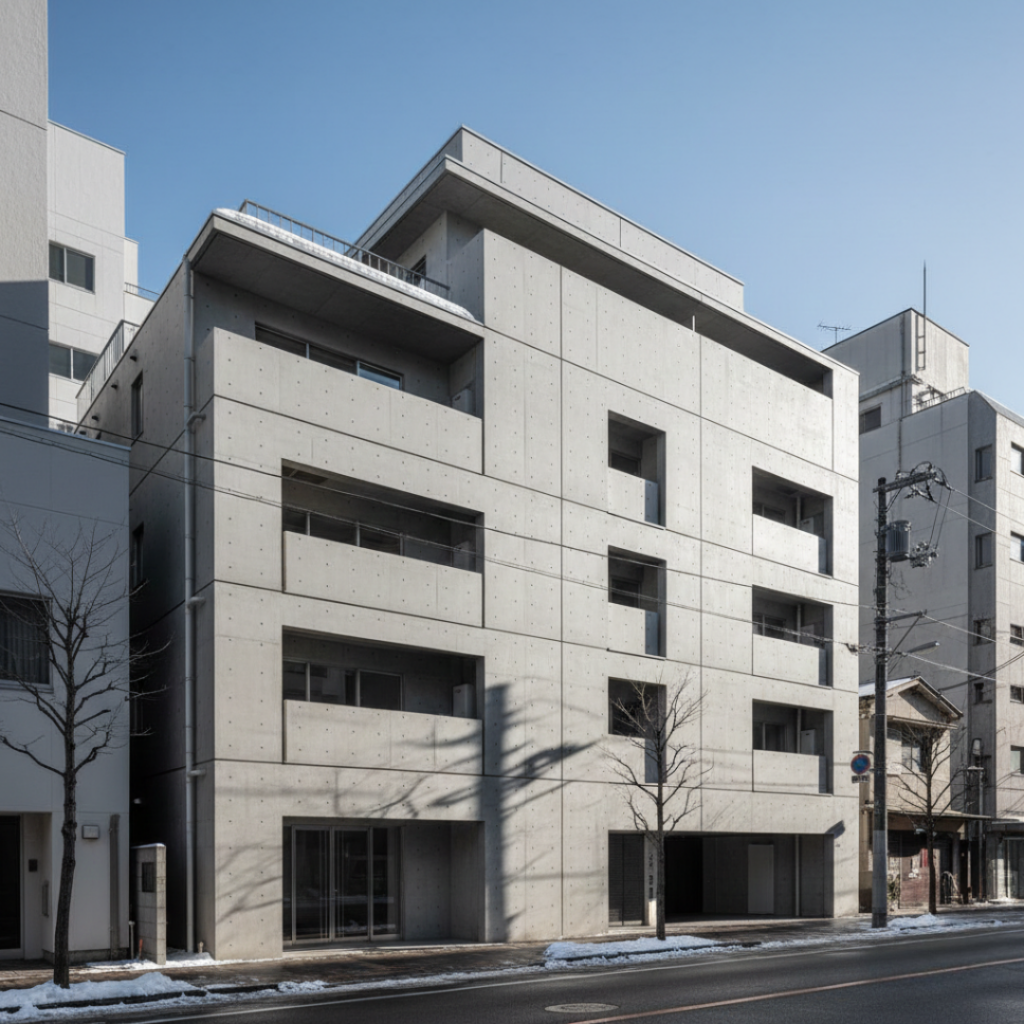
Niigata contains numerous 1980s–1990s reinforced concrete “Pension” houses designed to withstand heavy snow loads.
Characteristics:
- Over-engineered foundations
- Thick concrete walls
- Durable structural cores
Opportunity:
Modernize interiors, improve insulation, upgrade glazing, and reposition for inbound ski tourism.
Under Japan construction costs 2026, rebuilding these structures from scratch is often less capital-efficient than renovation.
Okinawa (Coastal Luxury Market)
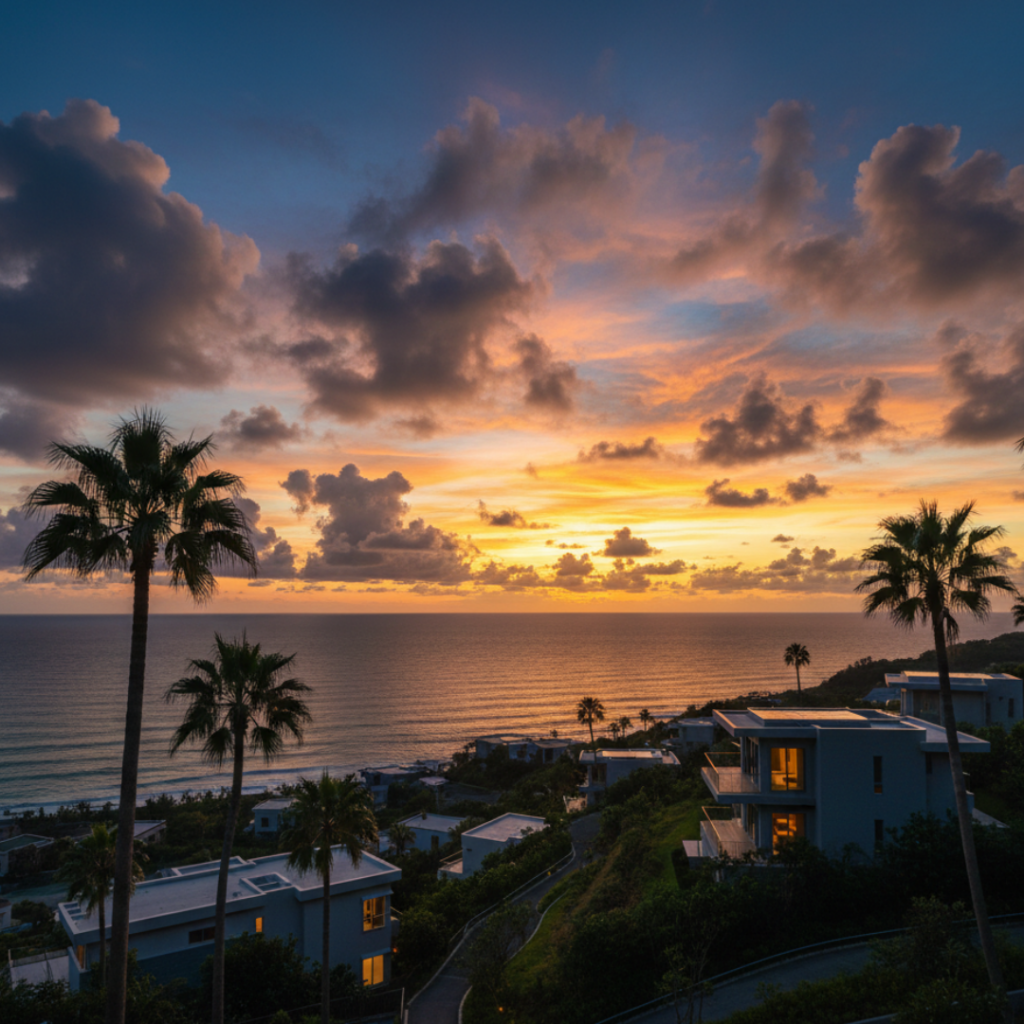
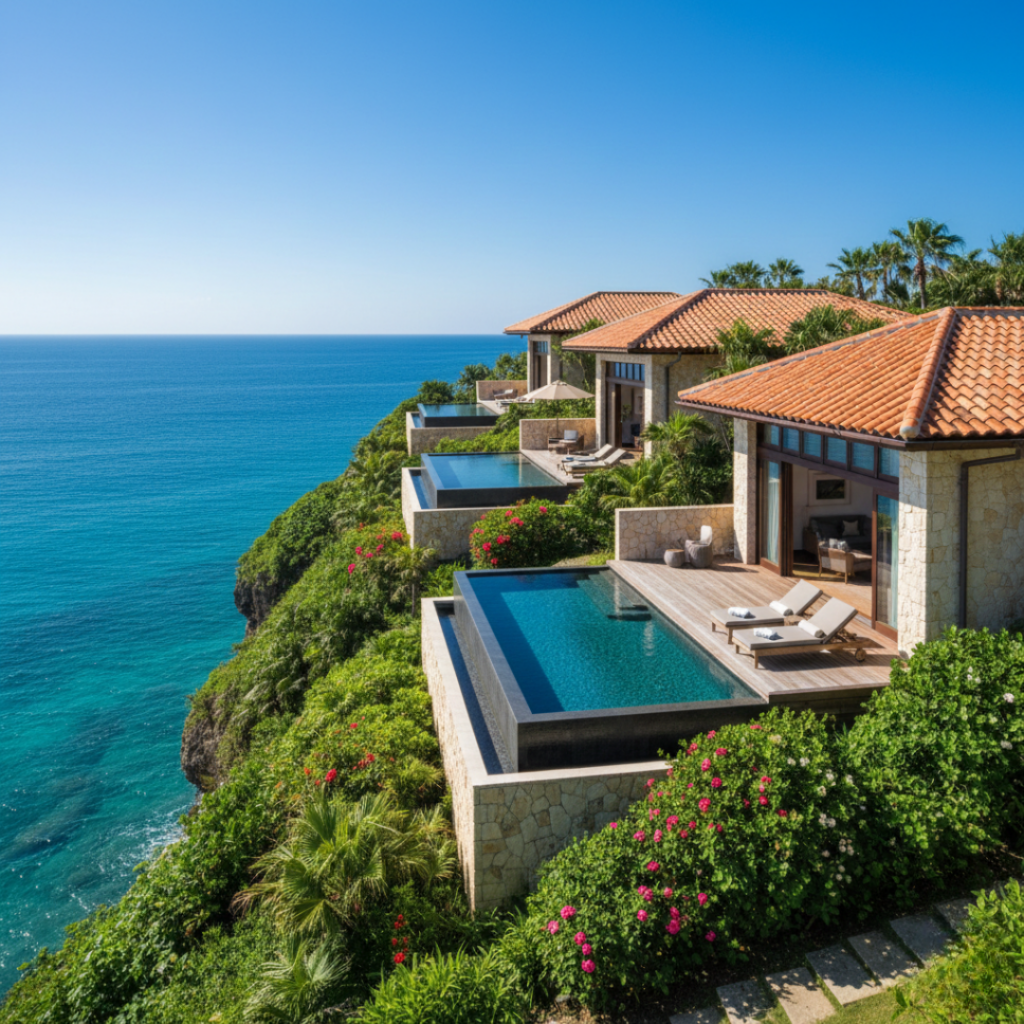
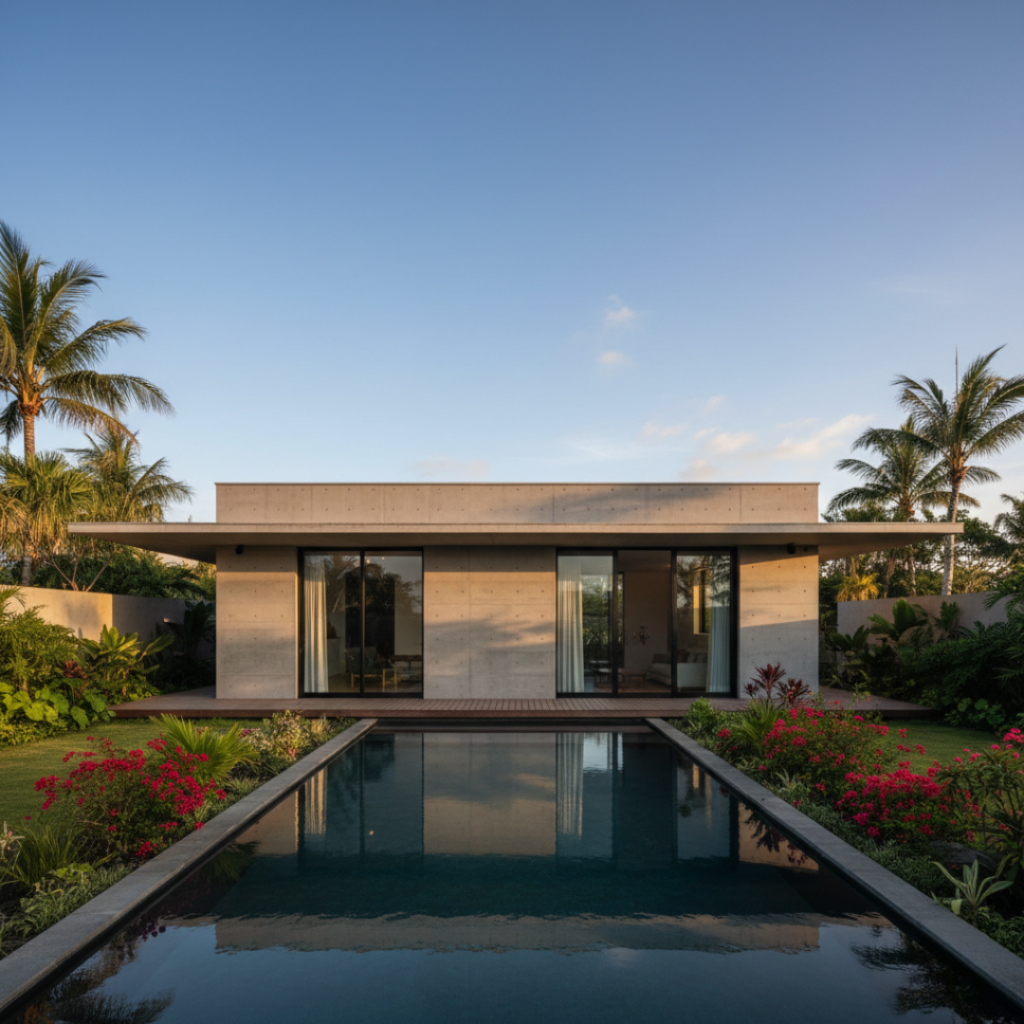
Okinawa presents distinct challenges:
- Salt corrosion
- Shipping cost inflation
- Logistics constraints
New builds often require material compromises to control shipping cost escalation.
Legacy reinforced concrete structures can be upgraded through:
- Rebar treatment
- Waterproofing systems
- Ventilation modernization
- Energy-efficiency retrofits
Long-term durability frequently exceeds cost-optimized new builds under Japan construction costs 2026 pressures.
Risk Management: When Renovation Is Not Smart
Legacy strategy is not universal.
Avoid assets with:
- Severe foundation cracking
- Major rebar corrosion beyond economic repair
- Pre-1981 seismic non-compliance without retrofit feasibility
- Legal non-conformity preventing financing
Under Japan construction costs 2026 conditions, due diligence is more important than ever. Structural audits and engineering inspections are mandatory.
Financing, Depreciation & Capital Structuring
Renovation projects often offer:
- Accelerated depreciation benefits
- Business loan eligibility for income-producing assets
- Lower capital deployment improving DSCR
Because total investment is lower, leverage ratios improve. This enhances resilience under rising interest rate environments.
Within the Japan construction costs 2026 framework, financing flexibility becomes a competitive advantage.
Is Japan Facing a Construction Crisis?
Japan construction costs 2026 do not represent collapse.
They represent normalization after a decade of unusually low build costs supported by:
- Cheap labor
- Stable material pricing
- High overtime availability
Today’s environment reflects demographic reality and regulatory alignment.
The opportunity has shifted — not disappeared
Final Perspective: Strategy Over Speculation
The era of inexpensive new construction in Japan has passed.
However, capital efficiency remains accessible to disciplined investors who understand Japan construction costs 2026.
By focusing on:
- Structurally sound legacy assets
- Prime grandfathered locations
- Intelligent modernization
- Conservative contingency planning
Investors preserve margin while maintaining exposure to Japan’s stable property market.
The opportunity is not in building new at any price.
Your Next Step
1. Free Discovery Call (15 Mins) Not sure if Niigata or Okinawa is right for you? Let’s have a brief chat to check your compatibility with the market.
2. The “Japan Portfolio Roadmap” Session (60 Mins / Paid) Stop guessing. We will input your specific budget and goals into our proprietary model to create a custom cash-flow simulation.
Disclaimer:
I am your Strategist, not a Tax Accountant.” “While I provide the strategic framework and simulations based on experience, specific tax filings and company registration are handled by our partner Certified Tax Accountant (Zeirishi) and Judicial Scrivener to ensure full legal compliance.