Japan regional tourism investment is gaining attention as international travelers explore quieter destinations beyond Tokyo and Osaka.
Executive Summary
- International travelers are increasingly visiting smaller towns in Japan, not just major cities.
- Regions with nature, hot springs, and food culture—such as Niigata—are attracting more repeat visitors.
- For investors, opportunities exist not only in property acquisition, but also in hospitality management and regional partnerships.
Buying Property in Japan Is Easy. Operating It Is Not.
Many overseas investors are beginning to explore Japan regional tourism investment as international travel spreads beyond major cities.
Buying real estate in Japan is relatively straightforward. Foreigners can legally purchase property, and the legal framework is stable and transparent.
However, the real challenge often begins after the purchase.
Who manages the property locally?
Who handles permits and regulations?
Who communicates with contractors, government offices, or hospitality staff?
These questions can create uncertainty for international investors who are not familiar with Japan’s business environment.
Japan is known for reliability and clear procedures. At the same time, the language, administrative processes, and local business culture can be difficult to navigate from overseas.
For this reason, many investors look for a trusted local partner who can manage operations on the ground.
At the same time, a new tourism trend is creating interesting opportunities in regional Japan.
The Rise of the “Do Nothing” Luxury
A recent report by Nikkei Asia highlighted an interesting change in travel behavior.
Many international visitors who have already visited Tokyo or Osaka are now looking for a different experience.
Instead of busy shopping districts or crowded sightseeing routes, many travelers prefer a slower pace.
Quiet towns, beautiful landscapes, and good local food are becoming the main attractions.
Some travelers describe this as “the luxury of doing nothing.”
The article focused on the growing popularity of Tottori Prefecture, particularly cities such as Sakaiminato and Yonago.
Visitors from South Korea and Taiwan are arriving in increasing numbers. Direct flights to Yonago Kitaro Airport have made access easier.
These visitors are often repeat travelers who already know Japan’s major cities. Now they want to explore quieter regions where they can relax and experience local culture.
For property investors, this shift is significant.
Why Regional Tourism Matters for Property Investors
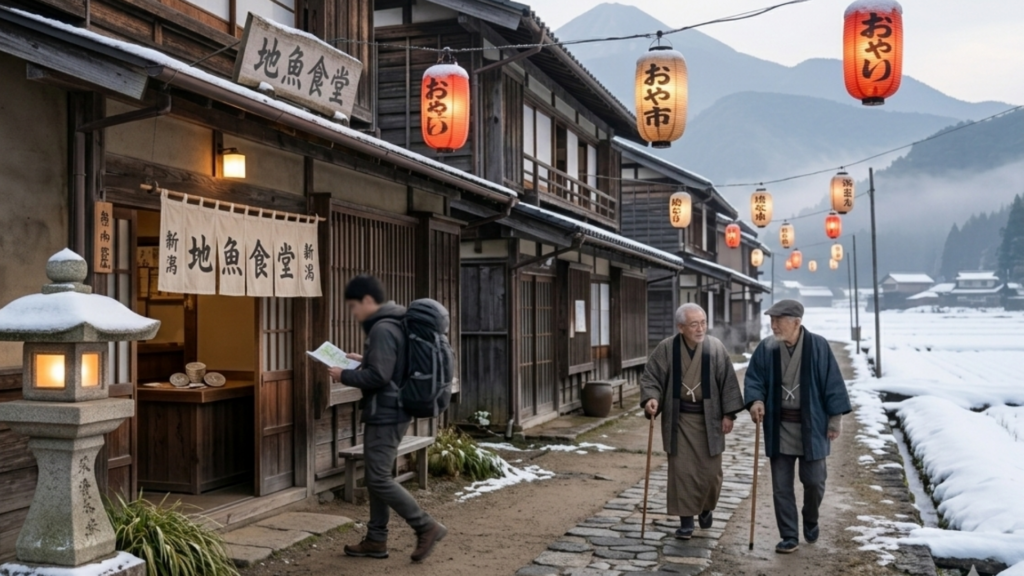
As tourism spreads beyond the largest cities, the map of real estate opportunities begins to change.
Major cities like Tokyo already have strong international demand and mature markets.
Regional areas, however, often have several characteristics:
- lower property prices
- aging hospitality properties
- limited international marketing
This combination can create opportunities for investors who understand the local context.
Traditional inns, small hotels, and other hospitality properties sometimes require renovation or repositioning.
With thoughtful design and professional management, these assets can attract international travelers looking for authentic experiences.
In other words, the growth of regional tourism can create value in properties that were previously overlooked.
This shift is one of the reasons Japan regional tourism investment is gaining attention among international property investors.
By the Numbers: The Structural Opportunity in Regional Japan
Behind the tourism trend is a deeper structural shift in Japan’s regional economy. The following figures help explain why international investors are beginning to pay closer attention.
| Market Factor | Current Situation in Japan | What This Means for Investors |
|---|---|---|
| Business Succession Gap | Around 62% of Japanese companies report having no designated successor. Many are family-owned regional businesses. | Investors may find opportunities to acquire operating assets such as ryokan, small hotels, or tourism businesses at prices below replacement cost. |
| Aging Ownership | Approximately 1.27 million SME owners aged 70 or older are expected to retire without a successor. | Local governments and communities are increasingly open to responsible buyers who can preserve jobs and regional culture. |
| Yield Environment | Prime assets in Tokyo often yield around 3–4%, while regional hospitality projects may reach 6–10%+ after renovation or repositioning. | Regional markets may offer stronger income potential for investors willing to manage operations and redevelopment. |
| Inbound Tourism Growth | Japan recently welcomed more than 40 million international visitors, according to data from the Japan National Tourism Organization. | Demand is rising for authentic experiences such as ryokan stays, nature tourism, and local food culture. |
The Role of Ryokan in Regional Investment
One important asset class in Japan is the traditional ryokan
.Ryokan are not simply hotels. They represent a long tradition of Japanese hospitality.
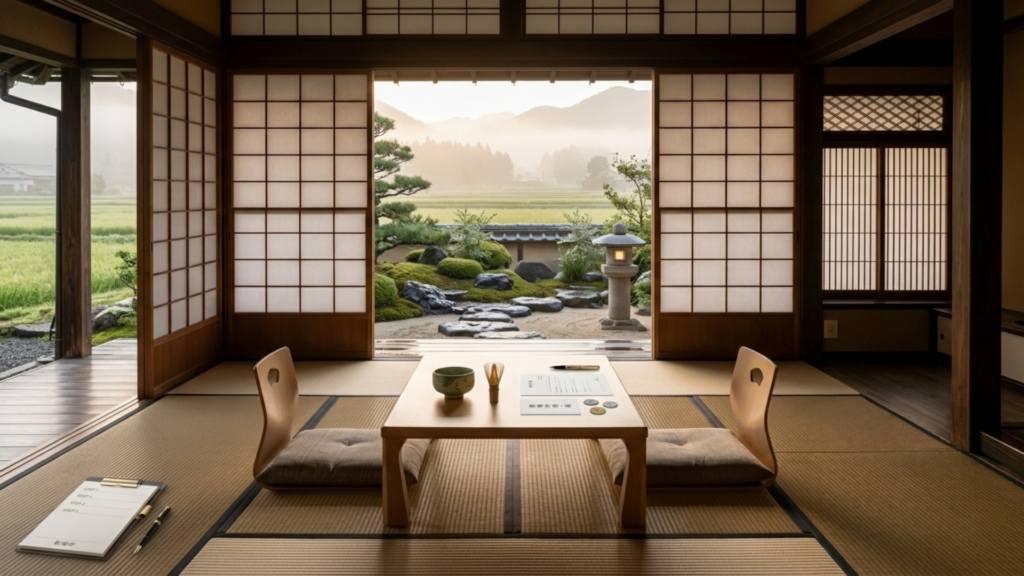
Guests stay in tatami rooms.
Meals are prepared using seasonal local ingredients.
Many properties include hot spring baths.
For international visitors, a stay at a ryokan often becomes one of the most memorable parts of their trip.
However, many ryokan owners are now reaching retirement age.
In some cases, there is no next generation willing to continue the business.
This situation is creating a transition period within Japan’s hospitality sector.
For investors who approach these properties with respect for local culture, there may be opportunities to renovate and manage traditional inns for a new generation of travelers.
Why Niigata Is an Interesting Example
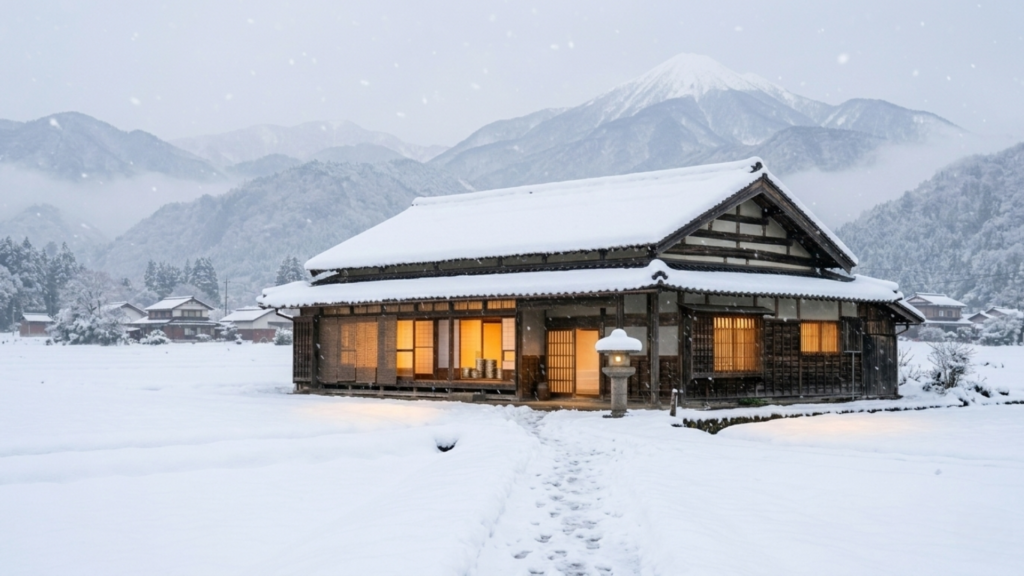
The trend toward regional tourism is not limited to Tottori.
In my experience, similar patterns can be seen in Niigata Prefecture.
Niigata offers a unique combination of natural beauty and cultural traditions.
The region is known for:
- heavy snowfall and ski resorts
- premium rice and sake production
- traditional hot spring towns
- coastal scenery along the Sea of Japan
It is also accessible from Tokyo via the Joetsu Shinkansen, which takes approximately two hours.
For travelers seeking a quieter experience outside the major cities, Niigata offers many attractions.
Some areas, such as Echigo-Yuzawa, already receive international ski visitors. Other areas remain relatively undiscovered but offer beautiful landscapes and traditional hospitality.
From an investment perspective, this balance of accessibility and authenticity can be very compelling.
Niigata provides a strong example of how Japan regional tourism investment opportunities can emerge in regions that combine accessibility, nature, and local culture.
Infrastructure and Access Still Matter
While tourism growth is encouraging, infrastructure remains an important factor.
Regional destinations sometimes face practical challenges.
Train services may be limited.
Taxi availability may be low.
Visitors may depend on rental cars or tour buses.
These conditions are common in many rural parts of Japan.
For investors, this means that successful hospitality projects require careful planning.
Transportation solutions, clear guest services, and local partnerships are essential.
Hospitality in regional Japan is not only about buildings.
It is about creating a complete and seamless visitor experience.
The Ayako Perspective
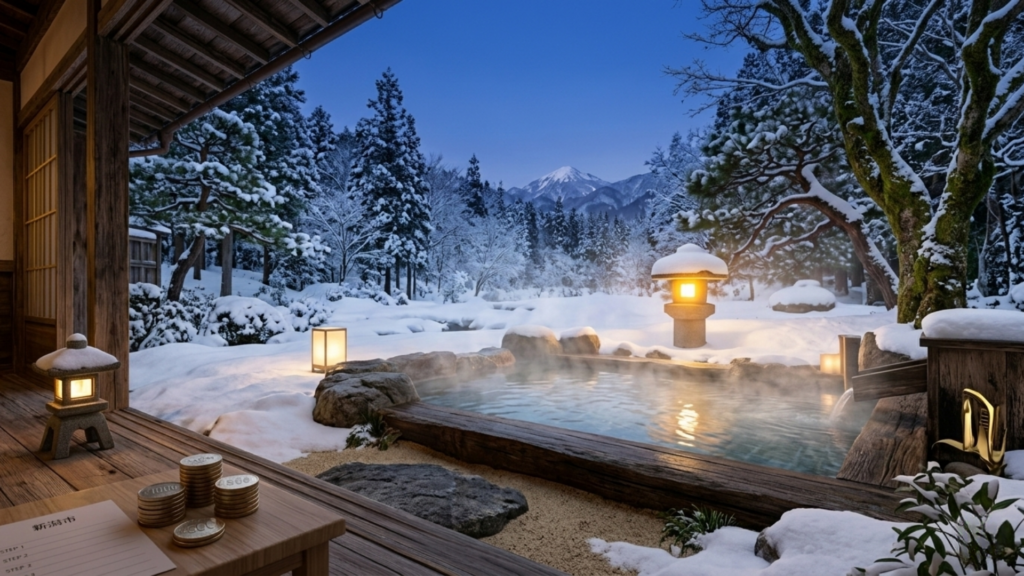
I live and work in Niigata Prefecture, where winter snow can reach several meters.
Life here moves at a slower pace than in Tokyo.
In the morning, farmers walk through rice fields that will later produce some of Japan’s best sake rice. In the evening, many people visit local hot springs to relax.
When I speak with overseas investors, I often hear the same question.
“Is there real demand for rural Japan?”
My answer is simple.
Yes, but only if the project respects the local culture and environment.
Visitors come to Niigata because it feels different from large cities.
Many travelers are looking for quiet landscapes, seasonal food, and traditional hospitality.
As a local advisor, my role is to help investors navigate the practical details.
Permits, tax planning, renovation coordination, property management—these steps often determine whether a project succeeds.
Many investors do not need to be physically present in Japan every month.
They simply need someone reliable who can represent them locally and manage the details on the ground.
Looking Beyond Niigata: The Snow and Sun Strategy
Another region attracting international attention is Okinawa.
While Niigata represents the “snow” side of Japan’s tourism market, Okinawa represents the “sun.”
Okinawa offers tropical beaches, warm weather, and resort-style living.
Many overseas investors are interested in vacation homes or hospitality developments there.
Understanding how these regions differ is important when building an investment strategy in Japan.
Japan Property Investment Snapshot
| Market Factor | Tokyo | Niigata Prefecture | Okinawa Prefecture |
|---|---|---|---|
| Primary Investment Focus | Urban residential, office, and luxury apartments | Ski tourism, ryokan, boutique hospitality | Beach resorts, villas, second homes |
| Typical Investor Profile | Institutional investors and large funds | Strategic investors seeking emerging opportunities | Lifestyle investors and resort developers |
| Typical Gross Yield Range | ~3–4% for prime assets | ~6–10% possible for repositioned hospitality assets | ~5–8% depending on location and management |
| Tourism Demand Drivers | Global city tourism and business travel | Snow tourism, hot springs, food and sake culture | Beach tourism, marine activities, long-stay travel |
| Accessibility | Multiple international airports | About 2 hours from Tokyo via the Joetsu Shinkansen | International airport with strong regional connections |
| Market Competition | Very high competition | Moderate competition, emerging international interest | Increasing global investor attention |
| Key Consideration | High entry prices | Operational management and local relationships | Resort market cycles and development costs |
For some investors, Tokyo provides stability and liquidity.
Others may prefer tourism-driven markets such as Niigata or Okinawa, where real estate projects can combine property value with hospitality operations.
FAQ
Yes. Foreign individuals and companies can purchase property in Japan, and ownership rights are generally the same as for Japanese citizens.
However, tax planning and ownership structures should be carefully designed.
Yes. Japan recently welcomed more than 40 million international visitors.
Repeat travelers are increasingly exploring regional destinations instead of visiting only major cities.
Not necessarily.
Many overseas owners work with local representatives who coordinate property management, renovations, and administrative procedures.
Having reliable local support is often the key to successful operations.
A Final Thought
Japan is widely recognized as a safe and stable real estate market.
But stability alone does not create opportunity.
Opportunity appears when markets evolve.
Today, the growth of regional tourism is creating new possibilities for hospitality and lifestyle properties in places such as Niigata and Okinawa.
For investors considering Japan regional tourism investment, destinations such as Niigata and Okinawa may offer long-term opportunities.