Have you ever found yourself squeezing onto a packed train in Tokyo, staring at a grey concrete wall, and wondering: “Is this it?”
I hear this story all the time.
When I help clients move to Japan, especially those in their 40s and 50s looking for a “Second Life,” the dream is almost always the same. They want space. More importantly, they crave a slower pace. Instead of a skyscraper, they want to see the ocean..
But then the practical fear kicks in: Can I actually afford it?
There is a big misconception that because Okinawa is an island, it must be dirt cheap. Or, conversely, that because everything has to be shipped there, it must be incredibly expensive.
However, the truth is that it’s a mix of both.h.
If you are thinking about trading the mainland city grind for Okinawan island time, you need to look at the numbers.
Here is exactly how the cost of living in Okinawa compares to mainland Japan (Tokyo/Osaka), and where you will save (and spend) the most money.
1. Housing: The Big Win
If you are moving from Tokyo, prepare to have your mind blown.
Housing is where you will see the most immediate “profit” in your monthly budget.
In Tokyo, a cramped 1LDK (one-bedroom apartment) in a decent area can easily run you ¥150,000 to ¥200,000 ($1,000–$1,350 USD) a month. In Osaka, you might pay ¥100,000 for something similar.
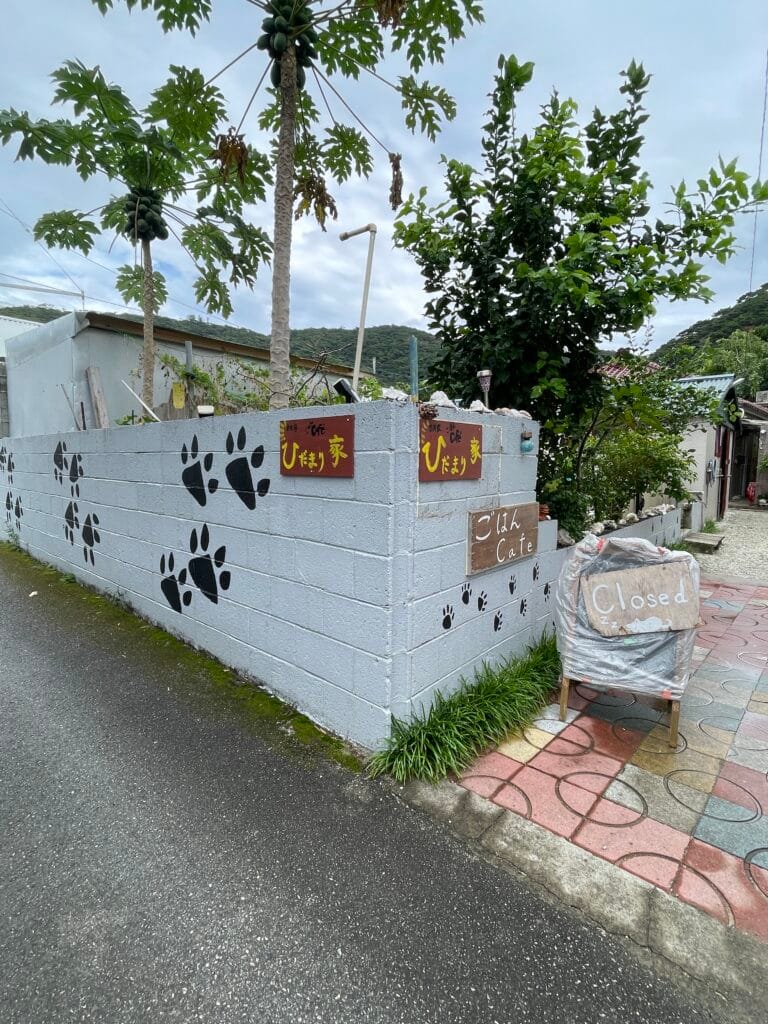
For example, in Naha (Okinawa’s capital), that same budget gets you a palace.
- Average 1LDK in Naha: ¥60,000 – ¥80,000
- Average 3LDK (Family size) in Naha: ¥120,000 – ¥150,000
I recently helped a couple move from a tiny box in Shinjuku to a 2-bedroom apartment with an ocean view in Chatan. Their rent decreased by 40%.
The Takeaway: You get significantly more space for significantly less money.
2. Food: The “Mango vs. Milk” Rule
This is where things get tricky.
If you try to live in Okinawa exactly like you lived in Tokyo—buying the same brands and eating the same imported foods—your grocery bill will go up.
Shipping costs are real. A carton of milk or a bag of bean sprouts might cost ¥20–¥50 more than on the mainland. It adds up.
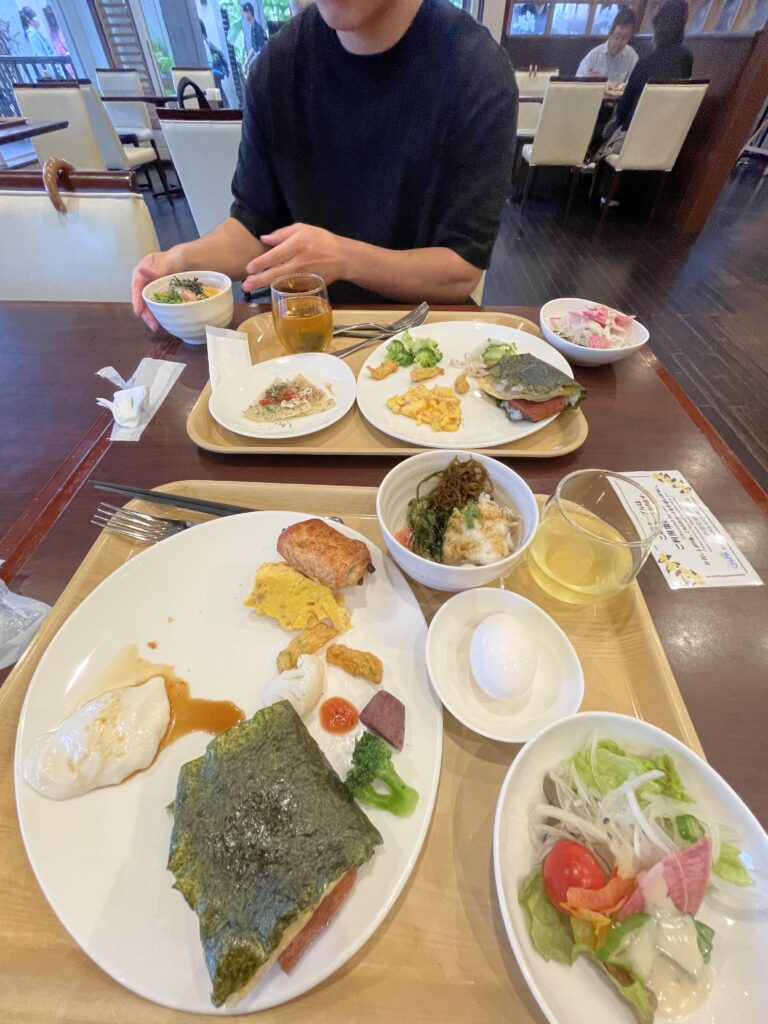
However, if you shop like a local, you save.
Okinawa has “Farmers Markets” everywhere (called Michi-no-Eki). Local produce like Goya, leafy greens, pork, and tofu is incredibly affordable and fresh.
Mainland Supermarkets often have expensive imports. On the other hand, Okinawa Markets offer cheap local bounty
The Takeaway: Adapt your diet to what is grown on the island, and your food costs will stay low.
3. Transportation: The Hidden Cost
Here is the reality check.
In Tokyo or Osaka, you don’t need a car. You pay for trains, sure, but your company often covers that commuting cost.
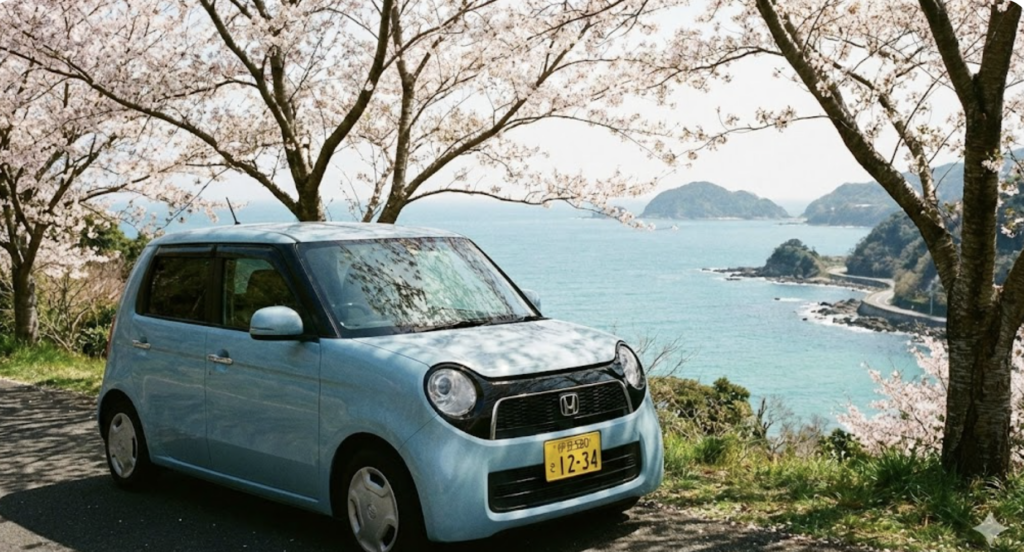
In Okinawa, you need a car.
Unless you live right next to the monorail in Naha (which limits your “island life” experience), a car is essential for grocery shopping, exploring beaches, and getting to the doctor.
You need to budget for:
- Car purchase: ¥300,000+ for a used “Kei” car.
- Shaken (Inspection): ¥60,000+ every two years.
- Gasoline: Slightly more expensive than the mainland.
- Insurance & Tax: Annual fees.
When you add this up, Consequently, the savings you made on rent might be partially eaten up by your car.
The Takeaway: Don’t forget to add roughly ¥30,000–¥40,000 per month to your budget for car ownership.
4. Utilities: The Summer Spike

Okinawa is sub-tropical. It is hot.
While you save money on heating (you won’t need it much in winter!), you will spend heavily on Air Conditioning from May to October.
Electricity rates have risen across Japan, but in Okinawa, your AC is your lifeline. A large apartment can easily see electricity bills over ¥15,000 or ¥20,000 in August if you aren’t careful.
Also, many buildings in Okinawa use Propane Gas (LPG) rather than City Gas. Propane is significantly more expensive.
The Takeaway: Look for an apartment with “City Gas” if possible, and budget for high summer electric bills.
5. The “Second Life” Dividend
So, is it cheaper?
Mathematically, yes. In fact, for most people, the massive savings on rent outweighs the cost of owning a car. A single person can live comfortably in Okinawa for ¥180,000 ($1,200) a month. A couple can live very well for ¥300,000 ($2,000).
But the real value isn’t just in the yen saved.
It’s in the quality of life.
In Tokyo, you pay for convenience. In Okinawa, you pay for peace.
For my clients in their 40s and 50s, that trade-off is the whole point. You are paying for the ability to walk on the beach on a Tuesday morning. You are also investing in cleaner air. Ultimately, you are paying for a community that values slow living over overtime work.
Final Thoughts
Moving to Okinawa isn’t just about finding a cheaper place to sleep. It’s about investing in a different kind of wealth.
If you are tired of the “rat race” and ready for your Second Life, the numbers work in your favor. You just have to be ready to drive a car and eat more local pork!
Are you ready to run the numbers for your own move?
Would you like me to create a customized “Moving Budget Spreadsheet” for your specific situation? Let me know in the comments!
Further Reading
- SMART Goals for Your Japan Relocation: A 40+ Planning Guide
- Driving in Japan Over 40: Rules, Costs & Safety Tips
- Renting vs Buying Property in Japan: A Guide for Expats
Recommended Resources
1. Fast-Track Your Japanese (Private Tutors) Thinking of learning Japanese before your move? I personally use and recommend [ iTalki]. It’s the best way to pick up the specific phrases you’ll need for daily life in Okinawa (like ordering Orion Beer at the Izakaya!).
2. Free Study Guides (My Personal Collection) If you aren’t ready for a tutor yet, I have compiled a list of free study materials specifically for future expats.