Beyond the Valuation Gap: Japan’s 2026 Real Estate Reset
Executive Overview (2026 Perspective)
Between 2024 and 2026, Japan’s real estate investment landscape underwent a structural evolution. The adjustment to inheritance tax valuation methodology—particularly affecting high-rise condominiums in central Tokyo—marked the end of an era in which tax arbitrage often dominated investment logic.
For more than a decade, sophisticated investors leveraged the gap between market transaction prices and inheritance tax-assessed values. High-rise condominiums in wards such as Minato, Shibuya, and Chuo became popular vehicles not because of their rental income, but because of the valuation compression embedded within the tax system.
That gap narrowed beginning in 2024.
By 2026, underwriting models, estate planning calculations, and investor expectations have fully absorbed this reality. The result is not a collapse in demand for Tokyo property. Rather, it is a recalibration of strategy.
We have transitioned from a “tax-first” era to an era defined by operational excellence, yield durability, and asset quality discipline.
Investors evaluating Japan in 2026 must now prioritize:
- Sustainable net income
- Liquidity resilience
- Realistic exit planning
- Operational capability
- Risk-adjusted return
The 2024 Valuation Reform — and the 2026 Market Reality
Prior to 2024, inheritance tax valuation for condominiums relied heavily on:
- Roadside land value (路線価 / rosenka)
- Fixed asset tax assessments
In certain high-rise developments—especially luxury “tower mansions”—the allocation of land value per unit often resulted in tax-assessed values that were materially lower than actual purchase prices.
This created a powerful estate planning dynamic.
A ¥200,000,000 condominium might be assessed at a substantially lower value for inheritance purposes, reducing the taxable estate base.
Beginning in 2024, the National Tax Agency revised valuation guidance for high-rise residential units to address extreme discrepancies between market value and tax-assessed value. While no simple universal “60% rule” exists in statute, the practical outcome has been clear:
- Tax-assessed values for many premium units increased.
- The magnitude of the valuation gap narrowed.
- Aggressive compression assumptions are no longer reliable.
By 2026:
- Estate planners incorporate revised calculations.
- Buyers do not assume dramatic tax leverage.
- Properties must stand on operational merit.
The tax advantage has not disappeared. It has moderated.
The Tokyo Condo Strategy in 2026
Tokyo remains Japan’s most liquid and internationally recognized property market. The central five wards continue to attract:
- Domestic professionals
- Corporate relocations
- Institutional buyers
- International capital
However, the financial profile of a central Tokyo condominium is fundamentally defensive.
Typical 2026 performance:
- Gross yield: 3–4%
- Net yield after management fees, repair reserves, taxes, and vacancy: 1–2%
For a ¥200,000,000 acquisition:
- Gross annual rent: approximately ¥7–8 million
- Net income: ¥2–3 million
At recent exchange rates, this equals roughly $13,000–$20,000 annually on a ~$1.3M USD investment.
This is not an income-driven strategy.
Tokyo in 2026 functions as:
- A capital preservation vehicle
- A liquidity anchor within a broader portfolio
- A currency diversification asset
- A long-term urban land hold
Its strength lies in resilience, not yield.
For investors prioritizing stability and exit flexibility, Tokyo remains compelling. For investors seeking income, it is insufficient on its own.
2026 Market Yield Comparison

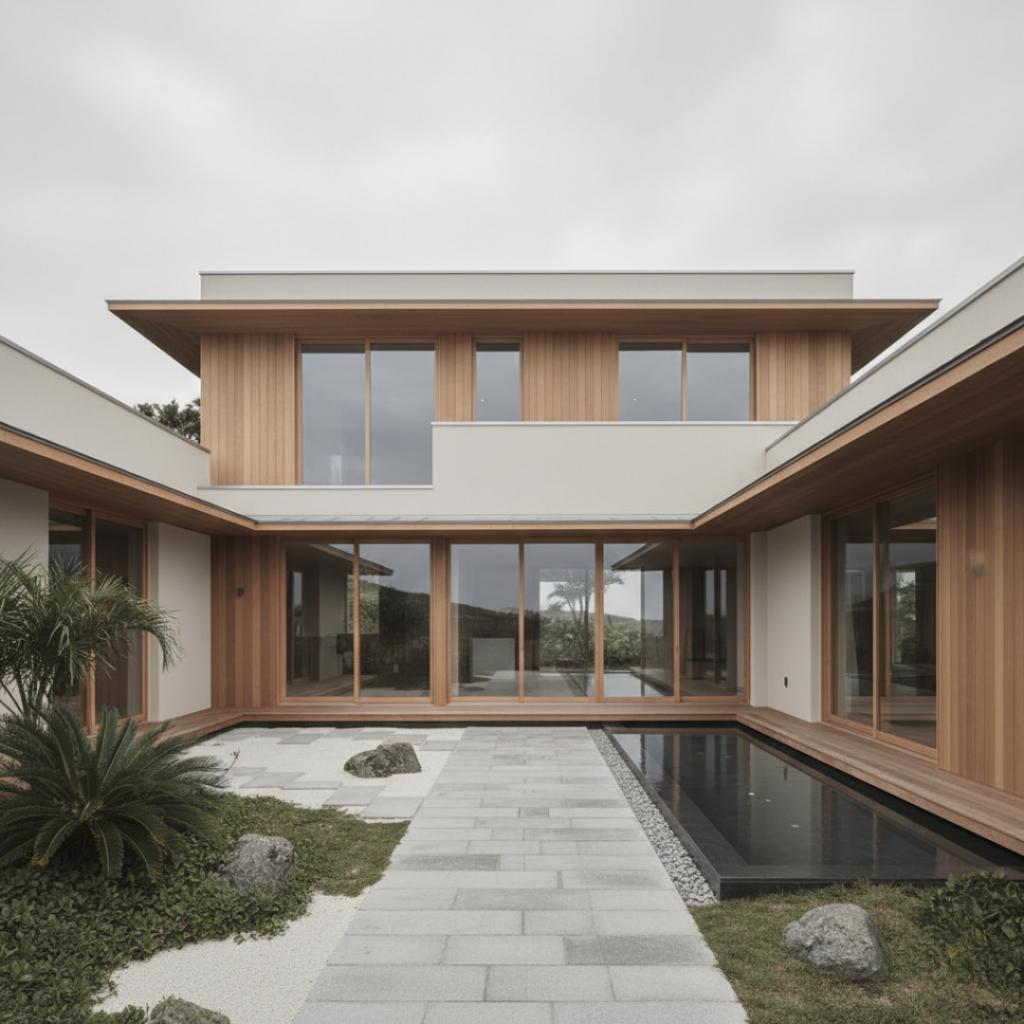
To illustrate the structural differences across Japan’s major strategic categories, the following table reflects realistic 2026 yield ranges:
| Property Type | Central Tokyo (Minato/Shibuya) | Niigata City (Regional Hub) | Okinawa (Tourism Focus) |
|---|---|---|---|
| Residential (Newer) | 3.2% Gross / 1.8% Net | 7.5% Gross / 5.2% Net | 6.0% Gross / 4.1% Net |
| Whole Building (Older) | 4.1% Gross / 2.5% Net | 9.8% Gross / 7.1% Net | 8.5% Gross / 5.5% Net |
| Commercial / Hospitality | 3.8% Gross / 2.2% Net | 8.2% Gross / 5.8% Net | 10.5% Gross / 6.8% Net* |
Okinawa net yield assumes professionally managed short-term rental (STR) operations with operating costs of 30–40% of revenue.
These figures highlight the fundamental reality of 2026:
Tokyo = Stability
Niigata = Income
Okinawa = Income with operational leverage
Higher yield correlates with higher operational complexity and localized risk.
The Shift Toward Active Yield
As the valuation gap narrowed, investor psychology evolved.
Instead of asking:
“How much inheritance tax compression can this structure provide?”
Investors now ask:
“What does this asset generate independently?”
This subtle shift has profound implications.
The market now rewards:
- Renovation expertise
- Tenant repositioning
- Expense discipline
- Climate risk management
- Hands-on oversight
Passive ownership is less defensible when tax engineering no longer dominates the return equation.
Niigata in 2026: The Regional Income Model
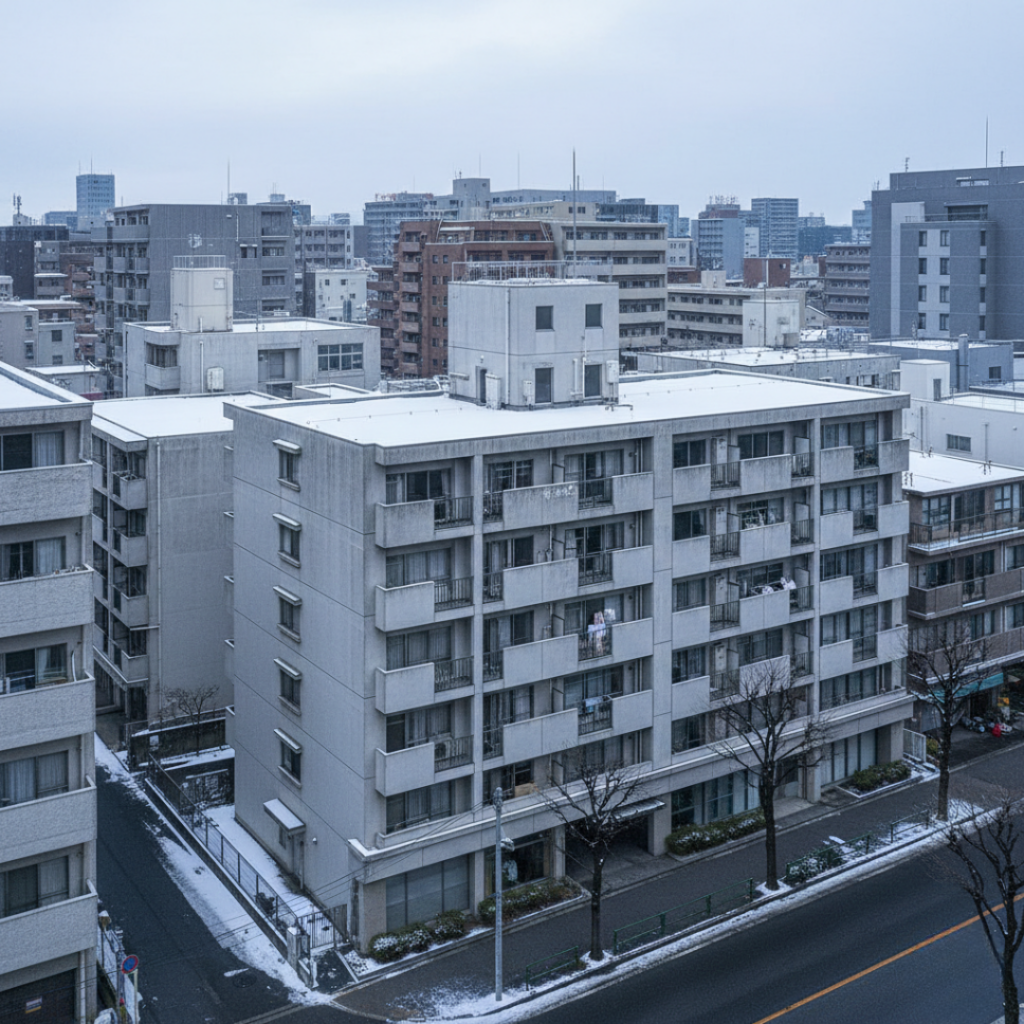
Niigata represents a stable regional urban center with:
- Established industry
- Education institutions
- Transportation connectivity
- Predictable local demand
It is not a high-growth market. It is not speculative.
But because acquisition prices remain low relative to Tokyo, yield percentages appear materially higher.
Regional multi-unit properties may achieve:
- Gross yields of 7–9%
- Net yields of 5–7% after vacancy and maintenance
On a ¥200,000,000 investment:
- Net income may reach ¥10–12 million
- Approximately $65,000–$80,000 annually at current exchange levels
However, the structural constraints must be acknowledged:
- Population growth is limited.
- Exit liquidity is thinner.
- Appreciation potential is modest.
- Demand depends heavily on micro-location quality.
Value-add execution is essential.
Targeting 1990s-era reinforced concrete buildings remains a viable strategy. These properties are often structurally sound but aesthetically dated. Upgrades aligned with 2026 energy-efficiency standards can:
- Improve tenant appeal
- Increase rent stability
- Reduce operating expenses
- Support stronger exit valuation
But winter conditions introduce operational considerations:
- Snow removal contracts
- Roof load stress monitoring
- Heating efficiency upgrades
This “snow tax” must be underwritten realistically. Regional yield is earned, not given.
Okinawa in 2026: Tourism-Linked Operational Yield
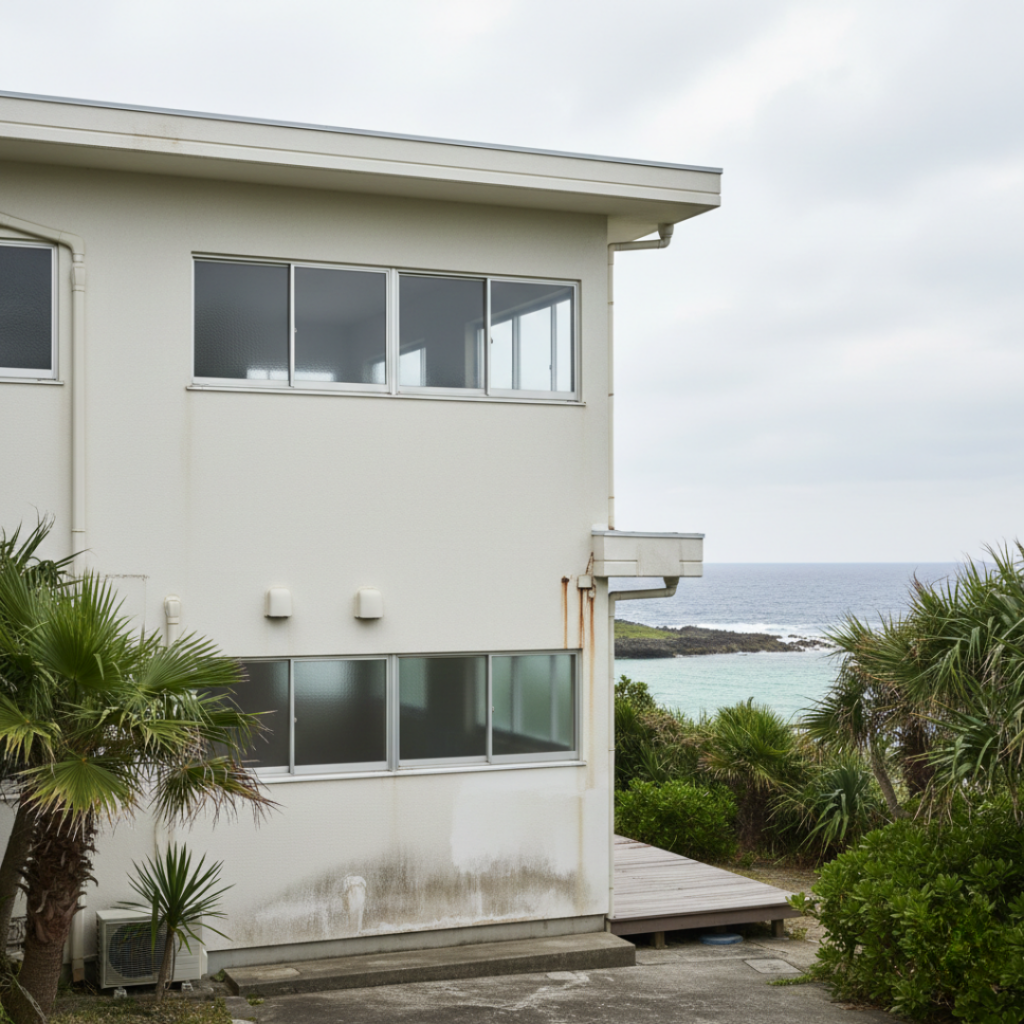
Okinawa continues to benefit from:
- Strong tourism inflows
- Airport infrastructure expansion
- Brand positioning as a resort destination
- A relatively younger demographic profile
However, the strategy has matured beyond simple short-term rental arbitrage.
The professional 2026 approach emphasizes:
- Boutique hospitality assets
- Branding and differentiation
- Professional STR management
- Revenue optimization
Commercial and hospitality properties may generate:
- Gross yields exceeding 8–10%
- Net yields of 5–7% after operating costs
However, volatility is inherent.
Okinawa carries:
- Typhoon exposure
- Salt corrosion
- Higher exterior repaint frequency
- Accelerated HVAC replacement cycles
- Tourism seasonality risk
This is the “salt tax.”
Investors must underwrite capital expenditure cycles conservatively. Maintenance discipline determines whether projected yield materializes.
Okinawa behaves less like passive real estate and more like an operating business.
Operational Reality in 2026
The defining theme of the current cycle is operational discipline.
Successful investors evaluate:
- Tenant retention strategies
- Renovation ROI modeling
- Property management alignment
- Long-term maintenance forecasting
- Regulatory compliance for STR operations
- Contractor reliability
In regional markets, oversight is critical.
Remote execution without reliable local representation increases risk substantially.
The 2024 reform removed structural shortcuts. It did not eliminate opportunity. It raised the bar.
Banking and Capital Structure
Financing remains available in 2026, but selectively.
Non-resident investors may encounter:
- Lower loan-to-value ratios
- Higher scrutiny
- Longer approval processes
Japanese banks prioritize:
- Stable income documentation
- Relationship depth
- Risk transparency
Capital structure planning must precede acquisition. Leverage enhances yield—but magnifies operational risk.
Currency Considerations
The yen has experienced volatility over recent years.
For USD-based investors:
- A weaker yen lowers acquisition cost.
- A stronger yen enhances exit value in USD terms.
Tokyo’s lower yield means currency movement can dominate total return.
Regional income partially cushions FX exposure—but does not eliminate it.
Currency remains an external risk variable across all Japanese real estate investments.
Does the Reform Apply Universally?
The 2024 adjustment primarily affected:
- High-rise condominiums
- Premium urban developments
- Units where land value allocation distorted tax assessments
Detached homes and many regional properties were already closer to market alignment.
The reform reshaped perception more than it restructured the entire market.
The Real Investment Question in 2026
The core question is no longer:
“Where is the biggest valuation gap?”
It is:
“What type of risk aligns with my capital objectives?”
Tokyo offers:
- Liquidity
- Stability
- Institutional depth
Niigata offers:
- Higher income
- Lower entry cost
- Modest growth
Okinawa offers:
- Yield potential
- Tourism exposure
- Operational volatility
Each aligns with different investor priorities.
Final Thoughts: A Mature Market
Japan’s real estate market did not weaken after 2024. It matured.
The speculative tax-driven era cooled.
What remains is a fundamentals-driven environment requiring:
- Cash flow resilience
- Realistic underwriting
- Operational competence
- Climate-aware planning
- Exit discipline
The “easy” strategy faded.
What remains is professional asset management.
And in 2026, that is where durable performance will be determined.