

The Sun and Snow Wave: Japan’s Resort Boom, and What It Means for You
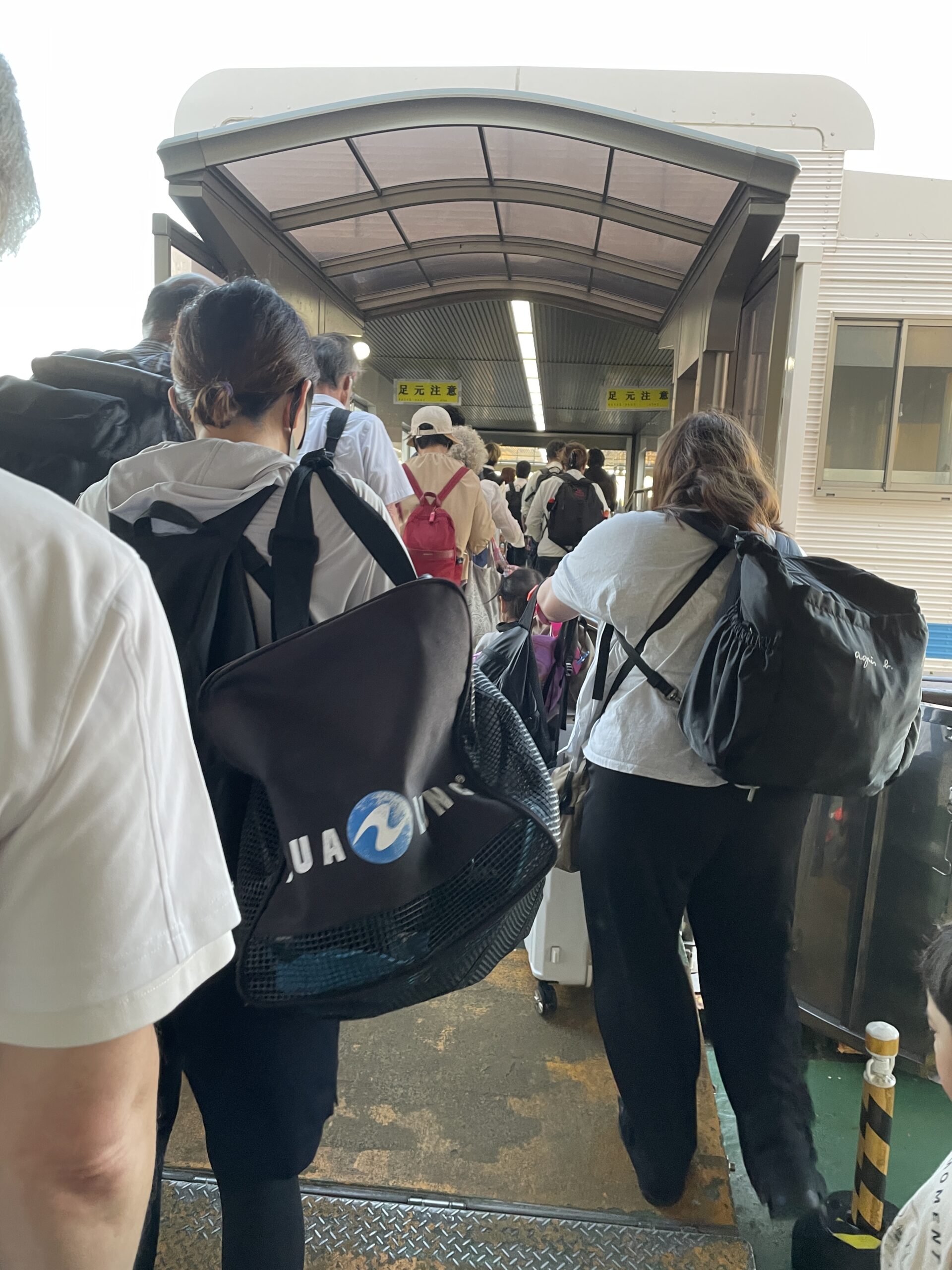
According to the Japan National Tourism Organization (JNTO), Japan welcomed a record 42.7 million international visitors last year. This was about 15% more than the year before. Tourists are not just going to Tokyo. They are going to quiet islands like Sado, in Niigata. They are going to the beaches of Okinawa. They want deep history and calm nature. They want warm sand and clear water. They want something real.
I am Ayako Yamaguchi, an Owner’s Representative based in Niigata. I coordinate property purchases, renovation work, tax professionals, contractors, and local management for owners who live overseas. I represent your interests here, on the ground, from your first visit to the daily running of your property.
I have watched Japan open its doors for 20 years. I ran an English conversation school here. Our staff helped many Japanese people build real connections with the world. Now I use those same communication skills in a new way. I help investors like you talk with Japan. I help you understand what is really happening on the ground.
Many of my clients live overseas. They see the tourism numbers. They see the demand. But they also hear news about “new rules” for foreign buyers. They are not sure what these rules mean. Some worry the rules will stop them from buying. I want to make this simple for you.
Okinawa and Sado Real Estate: The Resort Boom Is Real
Let’s start with the facts. JNTO data show visitor spending also hit a record high last year. Japan’s government has set a goal of 60 million annual visitors by 2030, according to the Prime Minister’s Office. This is not a short trend. It is a long plan.
Most of these tourists still go to big cities first. But more and more, they want to leave the cities. They want quiet islands. They want island beaches. They want quiet villages with a hot spring. This is good news for owners of resort property. It is good news for you, too, if you buy at the right time.
Two regions stand out. I call them my “Sun and Snow” markets. Niigata is the snow side. Okinawa is the sun side. Both are far from Tokyo. Both offer something Tokyo cannot.
Here is a quick look at how the two markets compare.
| Sado (Niigata) | Okinawa | |
|---|---|---|
| How you get there | By ferry from the Niigata coast | By plane |
| Best known for | Snow, rice fields, and gold mine history | Warm beaches and clear water |
| Common property style | Old farmhouses and fisherman’s homes | Villas and hotel-style condos |
| Typical Tourism Season | Spring, summer, and autumn | All year round |
| New global draw | 2024 UNESCO World Heritage title | Record inbound tourism |
| Main caution | Farmland rules and unclear ownership | Typhoon rules and building codes |
Sado Island: A Hidden Gem in Snow Country
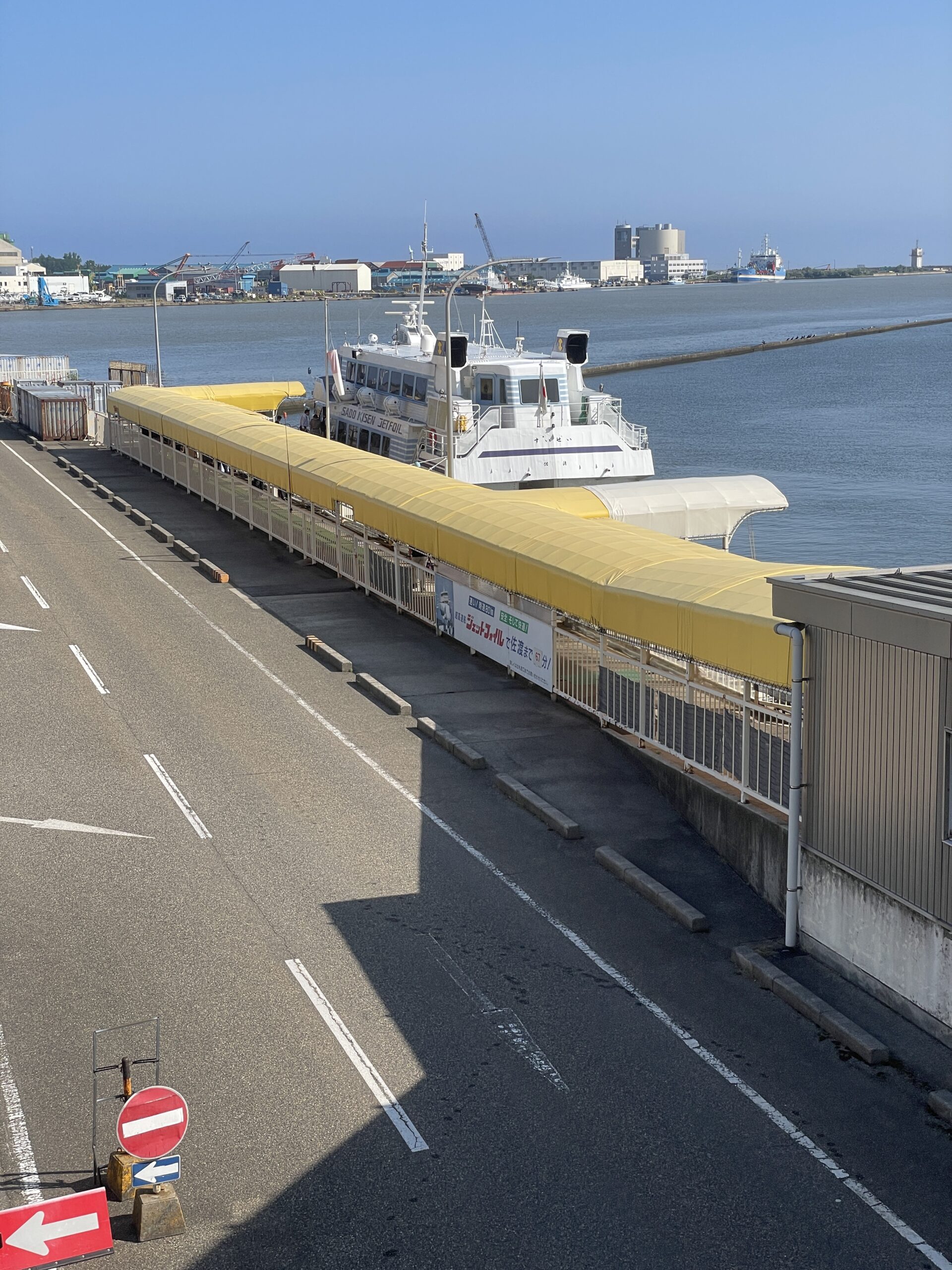
Sado is an island off the coast of Niigata. You reach it by ferry. Life moves slowly there. Rice fields sit next to old fishing villages. Most visitors come in spring, summer, and autumn, when the fields turn green and gold and the sea is calm.
In 2024, UNESCO named the Sado gold mines a World Heritage site. People mined gold and silver there for almost 400 years. This new title is bringing fresh global attention to the island. A new hotel called NIPPONIA already turned old merchant homes in the mine town into guest rooms. It kept the wood walls and paper screens. It added modern comfort inside.
You do not need a huge budget to join this wave. Many investors are looking at small, older buildings called akiya. Akiya means “empty house” in Japanese. At any given time, dozens or even hundreds of these vacant homes may be listed on Sado, through municipal vacant-home programs and private real estate sites. Prices vary a lot. A few list for under one million yen, but these are usually bare shells that need heavy repair. A house that is ready to live in, or only lightly renovated, costs more. Either way, prices usually sit well below what similar buildings cost in a big city.
The plan is simple. Buy an old farmhouse or fisherman’s home near the coast or a quiet village. Fix it up with care. Keep the wood beams and the old roof tiles. Add clean, modern rooms inside. Then rent it to travelers who want history, nature, and quiet.
I must be honest with you. Not every akiya is a good deal. Some need a new roof. Some sit on farmland, and Japan added new rules on foreign farmland purchases last year. Some have no clear owner on paper. This is why you need someone on the ground before you sign anything. I always tell my clients: walk the property first. Or send someone you trust to walk it for you.
Okinawa: Beach Living With Rising Value
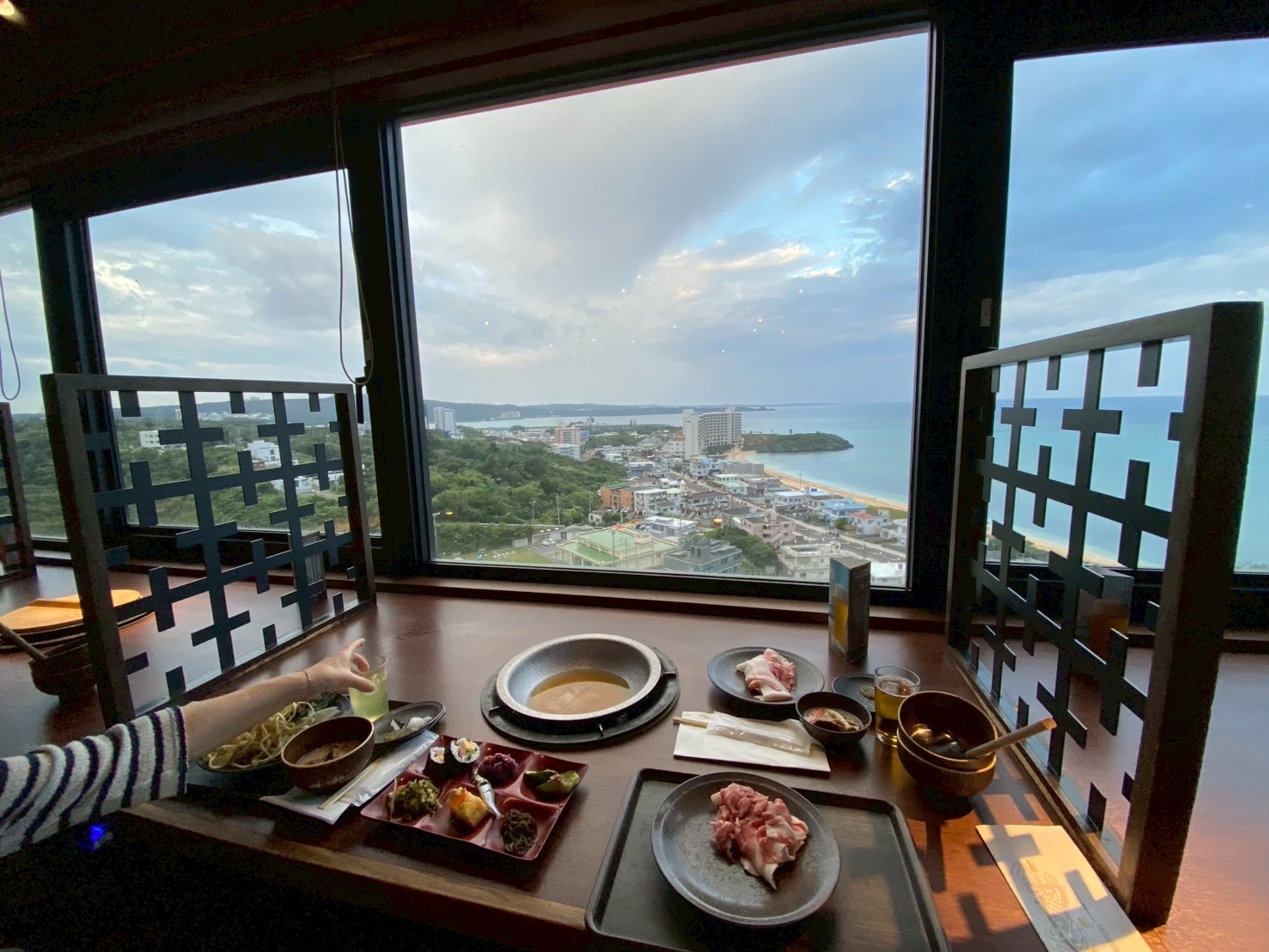
Okinawa feels far from the rest of Japan. The water is warm and clear. The pace of life is slow and calm. Tourists come here for beaches, diving, and sunshine all year round.
According to Japan’s official land price survey from the Ministry of Land, Infrastructure, Transport and Tourism, Okinawa has recorded some of the country’s strongest land price growth in recent years. Both home land and business land rose sharply in the most recent report. Buyers from many parts of the world are active here. Hotel groups are also buying properties in the capital city, Naha.
For private investors, small beachfront villas are a strong option. A villa can serve as your own vacation home. It can also earn income as a vacation rental when you are not using it. Hotel-style condo units are another path. These units often come with a front desk, a pool, and a restaurant already built in. You do not have to run daily operations yourself.
Growth is not even across the island. One busy shopping street on Miyako Island saw its official roadside land value jump close to twenty percent in a single year. Areas near new tourist attractions in the north are also rising, though at a steadier pace. This means the exact location matters as much as the region itself.
The value here goes beyond simple numbers. You get a place in the sun. You get a piece of a growing market. And if home prices in Okinawa keep rising, your property may be worth more later.
Small Buildings, Big Opportunity
Many investors ask me the same question. Should I buy one large resort, or many small buildings? For most private investors, I suggest starting small.
A single akiya can become a boutique guesthouse with just a few rooms. This is often called a “decentralized” hotel. Instead of one big building with 200 rooms, you have many small buildings spread across a town. Each guesthouse keeps its own character. Guests feel like they are staying in a real village home, not a copy of every other hotel room in the world.
This model fits Sado and Okinawa well. On Sado, an old farmhouse can become a cozy winter retreat. In Okinawa, a small coastal home can become a bright, simple beach stay. Both styles appeal to travelers who want something local and real.
This path also spreads out your risk. If you own three or four small guesthouses instead of one big hotel, a slow month in one building does not hurt you as much. You can also grow slowly. Buy one building. Learn the market. Then buy the next one.
Of course, small buildings still need real management. You need someone to clean rooms, answer guest messages, and fix problems fast. A good local management company can handle this work for you.
A Note on Financing
Many overseas buyers ask me about a home loan. Here is the honest answer.
Most Japanese banks lend only to people who live in Japan and hold a residence card. If you live abroad and do not hold one, a normal home loan is very hard to get. This is true no matter which bank you ask.
A small number of banks and lenders offer special loans for buyers who live overseas. These loans usually cover only half to seventy percent of the price. You must bring the rest in cash. Rates and terms change often, so always check with a lender directly before you set your budget.
Because of this, many overseas buyers in Sado and Okinawa buy with cash, or through a company structure. Some add a loan later, once they gain Japanese residency or build a longer banking history here. Plan your cash flow around this reality from the start.
What the New Rules Really Mean
Now let me explain the new rules. I want to be clear and calm about this. Japan is not closing its doors to foreign buyers. There is no law that stops you from owning land here because of your passport. This has not changed.
What has changed is paperwork. Under Japan’s Foreign Exchange and Foreign Trade Act, the Ministry of Finance requires most non-resident buyers to report their real estate purchase to the government. This report goes to the Bank of Japan within 20 days of the purchase.
Since April 2026, the rule became stricter. A narrow exemption remains, but only for a non-resident’s own full-time home, or for office or non-profit use. The Ministry of Finance is clear on one point that matters for you: a holiday home or second home does not count as a personal residence under this rule. So most vacation homes, ski lodges, and beach villas bought by overseas buyers do need to be reported.
Within the current fiscal year, a second change is being introduced. According to reporting by the Japan Times, when you register a property in your name, you will need to state your nationality. You may also need to show a copy of your passport or residence card. This applies to Japanese buyers too, not only foreign buyers.
There is also a new rule for large land deals bought by foreign companies. These companies must now share more details about who owns and runs the company.
Why is Japan doing this? The stated goal is simple: more transparency. The government wants a clear record of who owns what land. This helps with national planning and local safety. It is not aimed at any one country or group of buyers.
I will not guess about future changes. I am not a lawyer, and rules can shift. What I can tell you is this: today, foreign buyers can still purchase homes, land, and resort property across Japan. The process now asks for more paperwork. It does not ask you to leave.
My advice is simple. Budget extra time for paperwork. Work with a lawyer or agent who reads Japanese contracts well. Keep clear records of your identity and your funds. This is good practice in any country, not just Japan.
A Word of Caution
I want you to feel excited about this market. I also want you to feel careful. A beautiful old house or ocean view can make anyone act fast. Please do not rush.
Ask who really owns the land. Ask if the building meets current safety codes. Ask if the land is farmland, and what that means for a foreign buyer. Ask about typhoon rules if you buy in Okinawa. Ask about local taxes and yearly costs. A good local partner will answer all of these questions before you sign.
I have seen buyers skip these steps. Later, they find a hidden cost or a boundary dispute. This can be avoided. Slow down. Check twice. Then move forward with confidence.
The Bigger Picture
Japan’s resort markets continue to evolve, and some of the most desirable locations have already experienced rising land values. Sado carries new global attention from its UNESCO title. Okinawa carries steady growth from record tourism.
Neither market rewards a rushed decision. The buyers who do well tend to share three habits. They check the paperwork closely. They visit the property, or send someone they trust to visit it. They plan for the new reporting rules from the start, not as an afterthought.
Japan is opening a new door outside of Tokyo. Sado and Okinawa sit at the edge of that door. What you do next is your choice to make.
Frequently Asked Questions
Can foreigners buy property in Japan?
Yes. In general, there is no rule that stops a purchase based on nationality. The new rules add reporting steps. They do not close the door.
Can foreigners buy farmland in Japan?
This is more complex. Japan added new rules on foreign farmland purchases last year. Many rural akiya sit on land classed as farmland. Check the land classification with a local expert before you buy.
Can overseas buyers get a Japanese mortgage?
It is difficult. Most banks lend only to people who live in Japan and hold a residence card. A small number of lenders offer loans to overseas buyers, usually covering half to seventy percent of the price.
Is Sado Island a good place to invest?
It can be, for buyers who want a quiet, lower-cost entry point with a new global spotlight from its UNESCO title. As with any market, careful checks on the property and its paperwork come first.
Is Okinawa good for a vacation rental?
Many owners use villas and condo units for vacation rentals here, supported by steady, year-round tourism. Location within Okinawa, and strong local management, still matter a great deal.
- Japan National Tourism Organization — visitor statistics (2025 data)
- Prime Minister’s Office of Japan — tourism-nation promotion council (2025 announcement)
- UNESCO World Heritage Centre — Sado Island Gold Mines (inscribed 2024)
- Ministry of Land, Infrastructure, Transport and Tourism — official land price report (2025 survey)
- Ministry of Finance — FEFTA real property reporting requirement (rule change effective April 2026; accessed July 2026)
- The Japan Times — nationality declaration for land registration (published December 2025)
